

Key Takeaways
A few checks before you order can save time, money, and the hassle of returning the wrong component.
- Confirm your Fiat’s model, year, variant, and VIN before searching.
- Compare part numbers and listing details rather than relying on a vehicle name alone.
- Weigh genuine, OEM, and aftermarket options against your budget and needs.
- Check seller contact details, fitment support, delivery costs, and return terms.
- Keep order records and ask a qualified professional when installation is uncertain.
Identify the right part for your Fiat
The first step is to describe your car precisely, then narrow down the component you need. Fiat models can vary by year and specification, so a broad search may return parts that look right but do not fit your vehicle. Gather the details before you browse, and use more than one identifier to check a match. A little care here can prevent delays later.
Find your model, year, and variant
Start with the model name and build or model year, then check the variant or trim shown in your registration documents or service records. Engine size, body style, and transmission can also matter, depending on the component. If you are unsure which year a listing asks for, check whether it means build year or compliance year and ask the seller to clarify. These details make your search more specific without relying on appearance alone.
Locate the VIN and use it to confirm fitment
A vehicle identification number (VIN) can help a parts seller or catalog narrow down fitment. You can usually find it on vehicle documents and in locations on the car, such as the dashboard or a door frame; check your owner’s manual for the exact position. Share it only through a suitable channel and with a seller you have chosen to contact. Treat the VIN as a useful cross-check, not a substitute for confirming the part and any relevant specifications.
Match the part number when replacing an existing component
If you are replacing a part already removed from the vehicle, look for a manufacturer or supplier number on the component, its packaging, or an invoice. Compare the full number, including letters and suffixes, since small differences may indicate a different version. A matching number is useful evidence, but check whether the replacement listing notes superseded numbers or other fitment conditions. Keep the old part details until the new component has been confirmed and installed.
Choose between genuine, OEM, and aftermarket parts
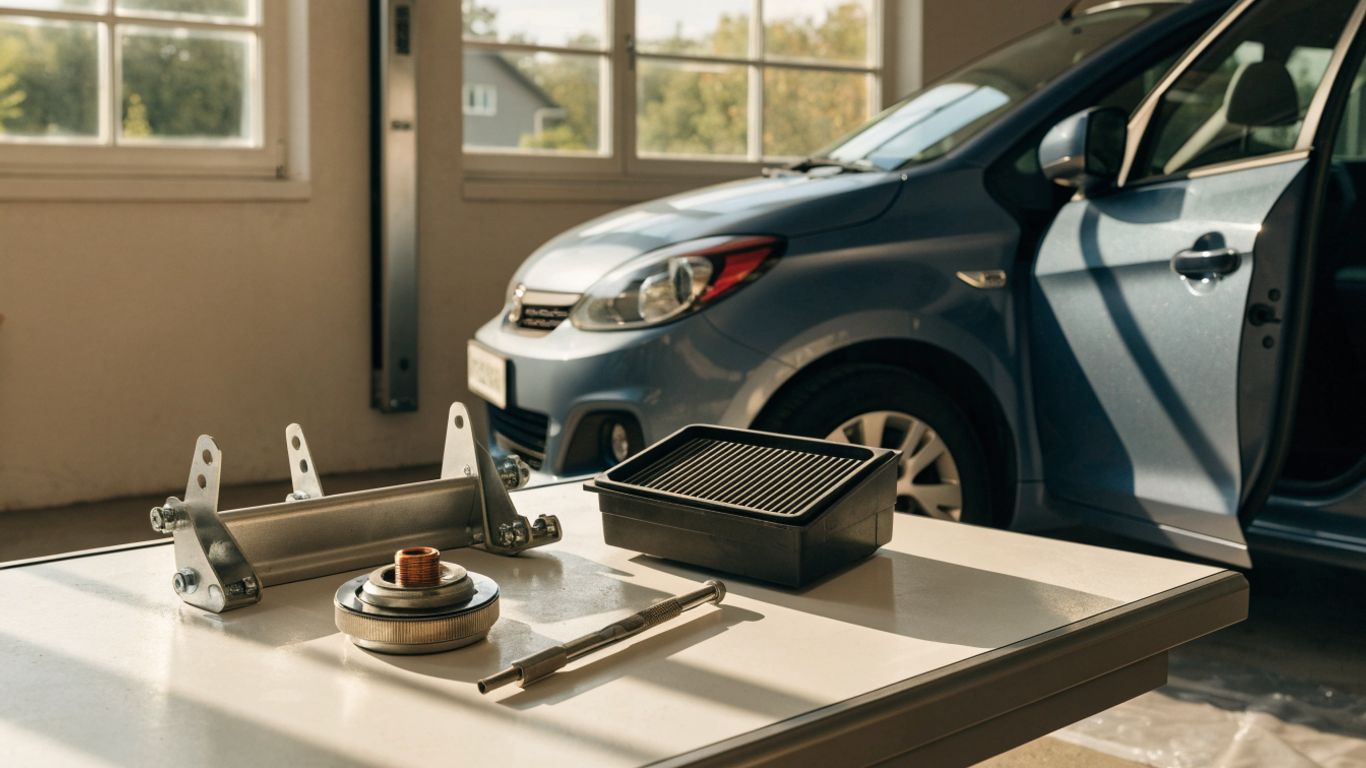
The labels used for replacement parts can be confusing, and they do not tell the whole story about a particular item. Genuine parts are sold under the vehicle marque, while OEM commonly refers to parts made by an original equipment manufacturer; usage of that term can vary between sellers. Aftermarket parts are made for the replacement market by other manufacturers. Compare the actual listing, warranty, and fitment information rather than assuming a category alone settles the decision.
Understand what each parts category means
A seller’s description should make clear whether a part is genuine, OEM, or aftermarket, and identify its maker where possible. Ask what the label means for that specific listing if it is unclear. The following comparison is a starting point, not a guarantee of quality or compatibility; details vary by manufacturer and product.
| Category | What the label generally indicates | What to check |
|---|---|---|
| Genuine | Sold as a part for the vehicle marque | Packaging, part number, and vehicle fitment |
| OEM | Described as made by an original equipment manufacturer | Manufacturer identity and the seller’s use of the term |
| Aftermarket | Produced for the replacement-parts market | Specifications, fitment notes, and warranty |
Use the table to frame questions, then verify the specific item you plan to buy. The product description and seller’s fitment confirmation matter more than a label viewed in isolation.
Weigh price, quality, and warranty coverage
Compare the total cost and the written warranty for each suitable option, not just the displayed price. Check what the warranty covers, how long it lasts, and whether installation or return conditions apply. For a part that is difficult to access or replace, the cost of a second repair may also influence your choice. A lower-priced option can still be appropriate when its specification, fitment, and support are clear.
Decide when genuine parts may be worth the extra cost
Genuine parts may appeal when you want a component sold specifically for your Fiat or when the existing part number points to that option. They can also be worth considering when you prefer to follow a vehicle manufacturer’s service guidance. Compare availability, cost, and warranty with other clearly specified choices before deciding. If the distinction matters for a repair, ask a mechanic or the seller to explain the alternatives for your vehicle.
Search online catalogs with confidence
Online catalogs make it easy to browse a wide range of components, but search results are only as useful as the details behind them. Select your vehicle carefully and read beyond the product title before adding anything to your cart. Photos can help identify shape and connector placement, though they may not show every difference between versions. A short check of the full listing is often quicker than arranging a return.
Filter by Fiat model and vehicle details
Choose the exact model and year in the catalog, then add the variant or engine details if those filters are available. Watch for notes that limit fitment to certain production dates or specifications. If the catalog offers a vehicle lookup, compare its result with your documents rather than assuming an initial selection was correct. When a filter gives a broad result, contact the seller with the relevant vehicle details before ordering.
Compare product descriptions, photos, and specifications
Read the description for part numbers, dimensions, connector types, included hardware, and any listed exclusions. Compare those details with the old component or service documentation where possible. Photos are useful for spotting obvious differences, but an image may be illustrative or shared across multiple variants. If a key measurement or specification is missing, ask before purchase instead of filling in the gap yourself.
Check whether the listing includes a complete kit or a single component
A listing may show a whole assembly while selling only one piece, or it may include several parts as a kit. Check the item title, contents, and quantity carefully, especially when the repair requires related clips, seals, or fasteners. Do not infer that everything pictured is included. Confirm the contents with the seller if the description leaves room for doubt, then compare the full order cost with what the repair actually requires.
Assess an Australian online parts seller
A clear listing is only part of a good online purchase; the seller should also be easy to identify and contact. Look for information about the business, how fitment questions are handled, and what happens if a part is unsuitable. Australian delivery and returns can differ by seller, so read the terms for the specific order rather than relying on assumptions. A few checks can make it easier to resolve a question before payment.
Look for clear business and contact information
Check that the site provides a business name and practical contact details, such as an email address or phone number. Look for a stated location or other information that helps you understand who will handle your order. Before buying an expensive or model-specific part, send a concise question and see whether the reply addresses it directly. Clear communication before checkout is a useful sign that you can get help if something needs clarification.
Review fitment support and product warranties
Find out whether the seller can check a part against your model details or VIN, and ask what information they need to do so. Keep any fitment guidance in writing with your order records. Read the product warranty and the seller’s terms, noting any conditions that may apply to fitting or returns. A precise answer to a specific fitment question is more useful than a general assurance that a part should fit.
Check customer feedback and payment security
Read a range of recent customer feedback, paying attention to comments about communication, delivery, and how problems were handled. Reviews are individual experiences, not a promise that your order will follow the same course, so use them alongside the seller’s own policies. At checkout, look for a secure payment process and review the final order details before submitting payment.
A trustworthy purchase is easier to manage when the product, seller, and terms are all clear before you pay.
After checking feedback and payment details, return to the listing and confirm that the selected part and vehicle information are still correct. Save the order confirmation and any messages about compatibility. That record gives you a useful reference if you need to follow up.
Compare shipping costs and return policies
The displayed part price is only one part of the final cost, particularly when delivery is required across Australia. Before checkout, check the destination, delivery method, estimated timing, and any additional fees. Return conditions matter just as much: a part ordered in error may be treated differently from an item that arrives damaged or does not match its description. Read the current terms for the exact seller and product.
Confirm delivery options across Australia
Check whether delivery is available to your postcode and whether the seller offers different options for metro, regional, or remote addresses. If collection is available, confirm where it can be arranged and whether the item will be held for a set period. Large or bulky parts may have different delivery arrangements from smaller parcels. Enter your actual destination before comparing totals so the displayed cost reflects your circumstances.
Check dispatch times and shipping fees
Look for the difference between an estimated dispatch time and the time in transit; they are not necessarily the same. Confirm whether the listing is in stock, made to order, or dependent on supplier availability. Add shipping and any stated handling fees to the item price before comparing options. If you need the part by a particular date, ask the seller about timing rather than treating an estimate as a guarantee.
Understand return conditions for incorrect or unwanted parts
Before buying, check the deadline for requesting a return, whether the item must be unused and in its original packaging, and who pays return shipping. Ask how the seller handles parts that were supplied incorrectly or do not match a confirmed fitment. Keep packaging intact until you have checked the component against the old part and confirmed it is suitable. Knowing the process in advance makes it easier to act promptly if the order is not right.
Plan for installation and ongoing maintenance
Choosing the right component is only one part of a successful repair. Some jobs need specialist tools, diagnostic equipment, or experience with a particular system, while others may be straightforward for a capable home mechanic. Consider the risks and the work involved before deciding who will fit the part. Keep the repair history organized so future servicing is easier to plan.
Decide whether the part needs professional fitting
Check the repair procedure and consider whether the job involves safety-critical systems, complex electronics, or components that require calibration. If you are unsure, ask a qualified mechanic to assess the work before ordering. Confirm whether the mechanic is willing to fit a part you supply and whether that affects any applicable warranty or workshop terms. The right choice is the one that suits the job and your experience, not simply the one that avoids labor costs.
Ask about compatibility with related components
A replacement may need to work with nearby parts, a particular connector, or an updated component version. Ask the seller or installer whether any related items should be inspected or replaced at the same time. This is especially useful when the original failure may have affected connected components. Avoid buying a bundle or additional parts without confirming that they apply to your Fiat and the repair.
Keep invoices and part details for future servicing
Save the invoice, product description, part number, warranty information, and any fitment correspondence together. Note the installation date and who carried out the work, along with any relevant service records. These details can help a mechanic identify what is already fitted and make a later replacement easier to research. A simple, consistent record is often enough to make the next parts search less uncertain.
Conclusion
To buy Fiat car parts online in Australia with fewer surprises, start with accurate vehicle details and verify the specific part before paying. Compare the product information, seller support, delivery costs, and return terms, then choose an installation approach that fits the repair. Keeping your part and service records close at hand makes future maintenance simpler.