

Key Takeaways
Finding the right Honda part is less about choosing the lowest price and more about confirming fit, condition, and the terms of sale. A little checking before you order can save time and avoid a costly mismatch.
- Identify your Honda’s model, year, trim, and VIN before searching.
- Compare genuine, aftermarket, used, and reconditioned parts according to the job and your budget.
- Verify part numbers and fitment details, especially for imported or modified vehicles.
- Check the full price, delivery estimate, warranty, and return conditions before paying.
- Ask a qualified mechanic to confirm safety-critical parts or installation requirements.
Understand your Honda parts options
Honda parts can be new, used, or reconditioned, and those descriptions do not all mean the same thing. The right choice depends on the component, how you use the vehicle, and how much uncertainty you are comfortable accepting. Compare the part itself as well as the seller’s description and terms.
What genuine Honda parts are
Genuine Honda parts are made for use in Honda vehicles and can be a sensible starting point when you want a replacement specified for your model. Confirm that the item is genuine and intended for your exact vehicle rather than relying on a broad listing title. The described supplier connects customers with genuine parts through a car parts network, alongside other part types.
How aftermarket parts differ
Aftermarket parts are made by companies other than the vehicle manufacturer, and quality and specifications can vary between products. Some may suit the repair, while others may not match the fit or finish you expect. The described supplier also connects customers with aftermarket parts, so compare the specific maker, application details, and warranty rather than treating the category as a guarantee of quality.
When used or reconditioned parts may make sense
A used component can be worth considering when a new replacement is expensive or difficult to source, but its condition and history matter. Ask for clear photos, the part number, any known damage, and the terms that apply if it proves faulty or does not fit. The described supplier connects customers with quality used parts through a car parts network; for reconditioned parts, ask what work was completed and what was replaced.
How warranties can vary by part type
Warranty coverage can differ by seller, part type, and whether the part is new, used, or reconditioned. Read the written terms for the specific item, including any conditions about installation, proof of purchase, or the period for reporting a problem. A warranty is useful only if you understand what it covers and how to make a claim.
Treat the warranty as part of the part: check its terms before you decide the price is worthwhile.
That small check can clarify whether a lower-cost option still suits your needs. Keep a copy of the listing and warranty terms with your purchase records.
Identify the correct part for your Honda
Fitment can depend on more than the model name printed on the vehicle. Model year, trim, engine, market, and production changes can all affect which component is right. Gather the vehicle details first, then confirm the listing against reliable identifiers before ordering.

Find your model, year, and trim
Start with the exact model name, year, and trim, then check any engine or body-style details the part listing requests. The owner’s manual, registration documents, and vehicle identification plate can help you confirm the basics. If a seller’s fitment guide gives several options, do not guess based only on a similar-looking vehicle.
Use your VIN to confirm fitment
A vehicle identification number can help a supplier narrow down the correct application, but provide it through a channel you trust and ask what information is needed. A VIN is not a substitute for checking the part’s own fitment details. Before you pay, make sure the supplier has confirmed compatibility for your vehicle rather than simply acknowledging receipt of the number.
Match part numbers when replacing components
If the old part is accessible, record its part number and compare it with the replacement listing. Numbers can differ across revisions or vehicle variants, so a close match is not necessarily an exact match. Share clear photos and the full number with the supplier when you are unsure, and ask them to confirm the substitution in writing.
Check compatibility for imported or modified vehicles
Imported vehicles may have specifications that differ from local-market versions, even when the model name is familiar. Modifications can also change what fits, particularly if related components have been altered. Tell the supplier about the vehicle’s origin and any relevant changes, then confirm compatibility with the exact chassis or part identifiers before ordering.
Choose where to buy Honda parts in Australia
Different suppliers may offer different part types, levels of fitment help, and delivery arrangements. A useful starting point is to decide what matters most: a particular part condition, a confirmed application, a local collection option, or clear after-sale terms. Compare those details rather than assuming every listing offers the same service.
Compare authorised dealers and independent suppliers
An authorised dealer may be a practical place to ask about genuine parts and fitment for a specific vehicle. Independent suppliers may offer a wider mix of genuine, aftermarket, and used options. Ask each supplier what information they need to identify the part, whether the item is in stock, and what warranty and return terms apply.
Evaluate specialist Honda parts retailers
A specialist retailer may be familiar with model variations and part-number checks, but familiarity should be backed by clear information about the item being sold. Ask whether the listing is for the exact part shown, whether it is new or used, and how fitment is confirmed. A detailed answer is more useful than a broad assurance that a part “should fit.”
Consider online marketplaces and wreckers
Online listings make it easier to compare descriptions and prices, while wreckers may have used components from vehicles being dismantled. In either case, check condition, included hardware, return eligibility, and whether the seller can confirm the donor vehicle details. A low price is less compelling if the part arrives incomplete or its fit cannot be verified.
Check supplier reputation and contact details
Before placing an order, look for current contact details and a clear explanation of how to ask a question or resolve a problem. Read customer feedback as one source of context, not a substitute for checking the actual product and terms. If a listing is vague, ask specific questions and keep the replies with your records.
Compare parts by quality and value
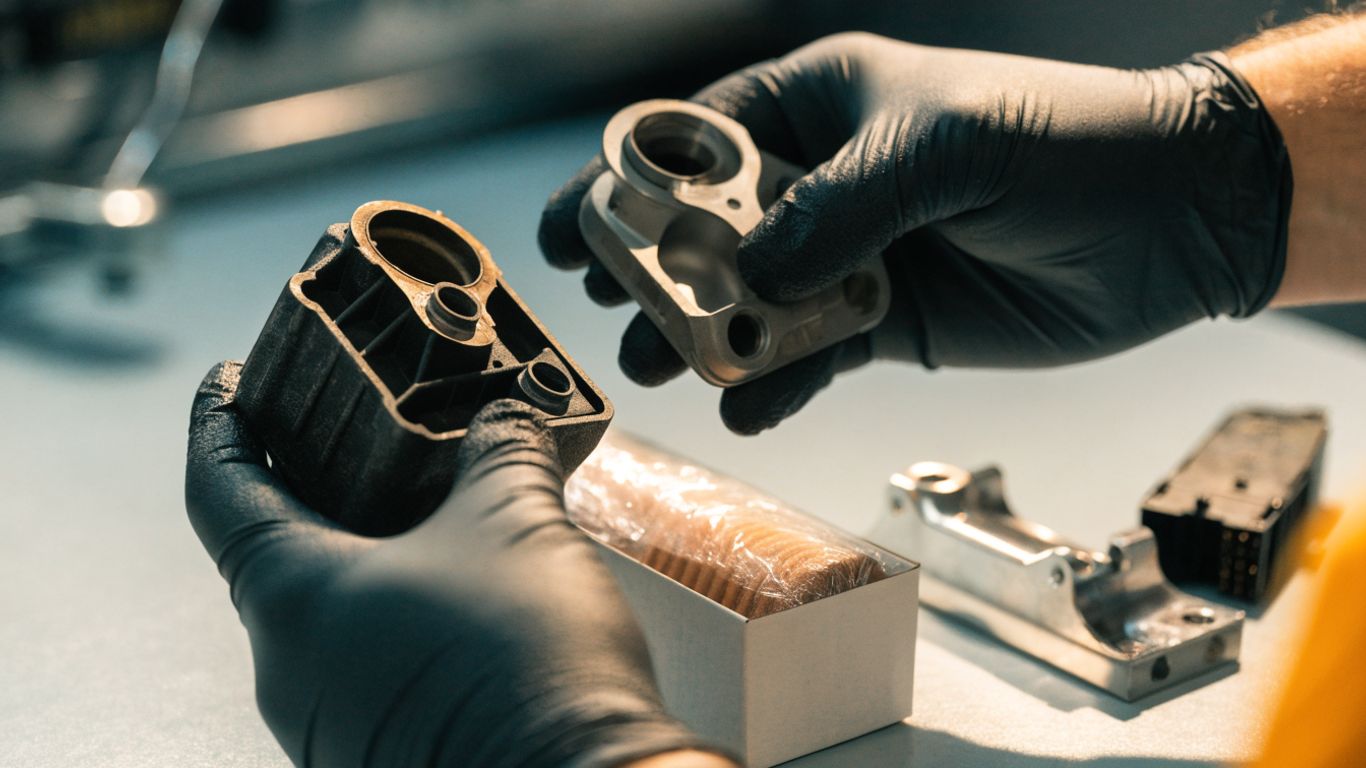
A fair comparison includes more than the number on the product page. Consider whether the part is new or used, what is included, and how confidently the seller can confirm fitment. Comparing the same details across listings makes it easier to judge whether a price difference is meaningful.
Look beyond the advertised price
The final cost may include shipping, extra fittings, or other items needed to complete the repair. Ask whether the listed price covers the full part shown and whether delivery costs change by destination. A simple comparison can keep those details visible:
| Check | Questions to ask |
|---|---|
| Part condition | Is it new, used, or reconditioned? |
| Fitment | Which vehicle details or part numbers were checked? |
| Included items | Are clips, brackets, seals, or fasteners included? |
| Total cost | What are the shipping and any other listed charges? |
Use the answers to compare like with like. A lower advertised price may not be the better value if it excludes items you need or leaves fitment uncertain.
Compare materials, specifications, and brands
For parts where material or specification is relevant, read the listing closely and ask the seller to clarify anything unclear. Compare the named manufacturer and stated application rather than relying on a product photograph alone. If the listing gives no useful specification, treat that as a reason to ask more questions before committing.
Check what is included with the part
A replacement may be sold on its own or supplied with related hardware, seals, or brackets. Confirm the contents before ordering, especially if the removed part is damaged or missing pieces you may need to reinstall. Clear packaging details can prevent a second purchase and help you plan the repair properly.
Confirm warranty and returns before ordering
Check the warranty and return conditions for the exact item, including any requirements about packaging or proof of fitment. Used or electrical parts may have different conditions from other products, so do not assume a general policy covers every listing. Save the policy or written confirmation while it is still available.
Plan delivery, returns, and installation
A suitable part still needs to arrive in time and in usable condition. Delivery options, parcel size, and destination can affect the total cost and schedule, so check them before checkout. Also decide who will fit the part and whether the supplier’s return terms change once installation has begun.
Check shipping costs and delivery estimates
Review shipping charges and the stated delivery estimate for your actual location, not just the supplier’s general dispatch information. If the repair is time-sensitive, ask whether the item is in stock and when it is expected to leave the warehouse. Keep in mind that an estimate is not necessarily a guaranteed arrival date.
Ask about regional and remote-area delivery
If you live outside a major centre, ask whether the supplier delivers to your address and whether the carrier applies extra charges or restrictions. Larger or awkwardly shaped components may need different handling from small parts. Confirm the delivery method and any collection requirements before you place the order.
Understand return conditions for electrical and installed parts
Before fitting a component, read the return policy for that particular item. Electrical parts and products that have been installed may be subject to specific conditions, so ask what to do if a part appears faulty or does not operate as expected. Avoid testing or altering a part in ways that could affect its return eligibility until you understand the terms.
Decide whether professional installation is needed
Some replacements are straightforward for an experienced home mechanic; others need specialist tools, calibration, or knowledge of vehicle systems. If you are unsure, ask a qualified mechanic to review the part and the proposed work before installation. That advice can help you avoid damage and clarify whether the job is within your skills.
Keep your Honda parts search safe and practical
Clear descriptions and careful records make a parts search easier to manage. Take time to verify the seller, the part, and the vehicle application before you pay. For repairs involving safety systems or uncertain fitment, a qualified mechanic can help you make a sound decision.
Watch for counterfeit or poorly described products
Be cautious when a listing uses a familiar name but provides little information about the manufacturer, condition, or exact application. Ask for the part number and additional photos if the description leaves important questions unanswered. Do not rely on packaging or appearance alone as proof that a part is genuine.
Verify safety-critical parts with a qualified mechanic
Components related to braking, steering, suspension, or occupant safety deserve particular care. If fitment or product quality is unclear, have a qualified mechanic confirm the correct specification before purchase or installation. It is better to pause than to fit a part that has not been checked for the vehicle and repair.
Keep invoices and part-number records
Save the invoice, listing, supplier correspondence, warranty terms, and the part number you received. These records can help you identify the replacement later and give the seller useful details if there is a problem. A simple note with the vehicle’s year, trim, and VIN can also reduce guesswork next time.
Dispose of replaced parts responsibly
Do not assume every removed component belongs in ordinary household waste. Ask a local mechanic, council, or recycling service how to handle parts that contain fluids, batteries, or other materials needing special disposal. If a removed part is still usable, confirm its condition before offering it for reuse.
Conclusion
Finding Honda parts in Australia is easier when you confirm the vehicle details first, compare condition and specifications, and understand the full cost and return terms before ordering. Take extra care with imported or modified vehicles, and ask a qualified mechanic to check safety-critical parts or installation questions. A few careful checks can turn a broad search into a more confident purchase.