

Key Takeaways
A little preparation can make a search for an E46 part less stressful and help avoid costly fitment surprises. Start with the car’s details, then compare the part’s condition and total installed cost.
- Record the model year, body style, engine, VIN, and any part number you can find.
- Compare new, used, refurbished, OEM, and aftermarket options against the job and your budget.
- Contact local Gold Coast suppliers before traveling, and confirm the part is actually available.
- Check condition, connectors, fitment, testing, warranty, and return terms before paying.
- Include delivery, installation, related repairs, and consumables when comparing prices.
Identify your E46 and the part you need
The E46 name covers more than one configuration, so the right part depends on the specific car and the repair. Before contacting a seller, gather the details that help distinguish your model from similar versions. That small bit of preparation makes it easier to discuss fitment clearly and avoid buying by appearance alone.
Check the model year, body style, and engine
Write down the model year, body style, and engine information before searching. A sedan, coupe, convertible, wagon, or compact can use different parts even when the model generation is the same. If you are unsure which engine is fitted, check the vehicle paperwork or ask a mechanic to confirm it rather than relying on a badge.
Find the VIN and relevant part numbers
The VIN gives a supplier useful information for checking vehicle configuration, while a number printed or stamped on the old part can help narrow the search. Photograph labels and markings before removing anything, since they may be difficult to read once the part is out. Treat a number match as a useful starting point, then confirm that the replacement is listed for your exact vehicle.
Note facelift and pre-facelift differences
Some E46 parts vary across production updates, so note whether your car is pre-facelift or facelift when asking about fitment. Lighting, trim, and body components are especially worth checking against the production date and body style. If a listing gives a date range, compare it with your car’s build information rather than assuming a registration year tells the whole story.
Confirm left- or right-hand-drive compatibility
Check whether the replacement was made for a left- or right-hand-drive car, particularly for parts related to the cabin, steering, or controls. A part that looks similar in a photograph may have different mounting points or routing. Tell the seller where the vehicle is registered and ask them to confirm the specific configuration before purchase.
Choose between new, used, and refurbished parts
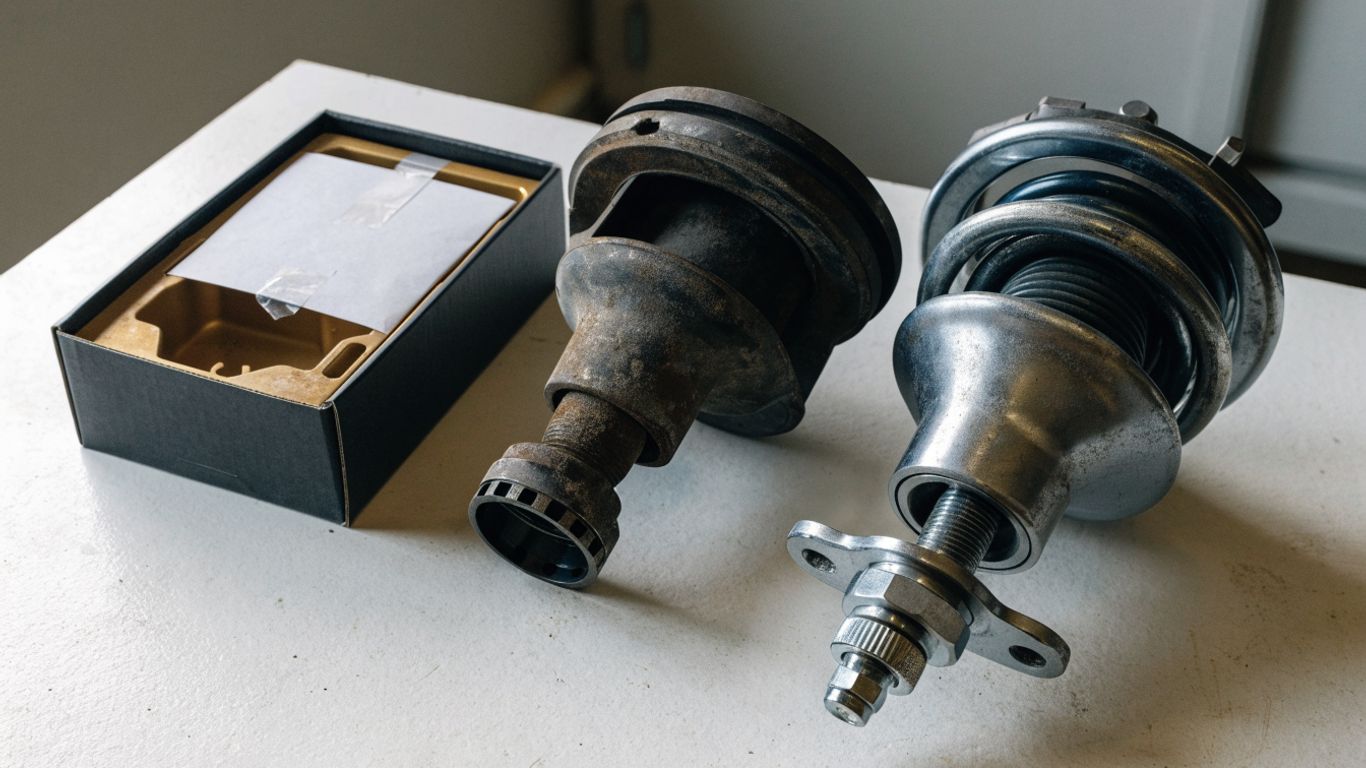
The best choice depends on the part, the repair, and how long you plan to keep the car. A new component may suit a repair where predictable condition matters, while a used part can make sense when it is verified and priced accordingly. Refurbished and aftermarket options deserve their own checks, since labels alone do not tell you what work or quality to expect.
When new parts make sense
New parts can be appealing when you want an unused component and can verify that it matches the vehicle. Compare the exact specification and included hardware, not just the product title. For safety-related or hard-to-access repairs, discuss the options with a qualified mechanic so the choice accounts for the consequences of a repeat job.
Where used parts can offer value
A used part may be a practical option when its condition and origin are clearly described, and the price reflects its age and remaining service life. Ask how it was checked and whether the seller can confirm the donor vehicle details. Condition matters as much as price: a low-cost component is not good value if it needs immediate repair or does not fit.
What to know about refurbished components
Ask what “refurbished” means in the specific listing. Find out which components were inspected, repaired, or replaced, and whether testing was performed after the work. A clear written description helps you compare it fairly with a new or used alternative and gives you something concrete to refer to if the item differs from what was agreed.
How aftermarket parts compare with OEM parts
OEM and aftermarket parts can differ in maker, specification, finish, and price, so compare the actual part details rather than treating either label as a guarantee. Check the part number or stated application, warranty terms, and whether required fittings are included. For a close fitment decision, a mechanic or parts supplier can help verify the specifications against your E46.
Find BMW E46 parts on the Gold Coast
Searching locally can make it easier to ask questions and, in some cases, inspect a part before buying. Start with suppliers who handle BMW parts and give them the vehicle details you gathered. If the part is uncommon, widen the search to online sources, but keep fitment and return arrangements in view.
Contact local BMW dismantlers and wreckers
When contacting dismantlers or wreckers, describe the exact part and provide the E46’s year, body style, and engine. Ask whether the item is on hand, what condition it is in, and whether the seller can share photographs or a part number. A direct conversation can also clarify whether related pieces, such as brackets or fasteners, are included.
Ask independent BMW specialists about sourcing
An independent BMW specialist may be able to advise which details matter for a particular repair or whether a part needs additional components. Explain the symptoms and the work already diagnosed, rather than asking for a replacement based only on a guess. If the specialist offers to source a part, ask for the specification and price in writing so you can compare it with other options.
Compare local pickup with online suppliers
Local pickup can let you discuss the part directly and avoid shipping, while an online supplier may offer a wider search area. For either route, compare the total cost and the same fitment details. Keep in mind that a posted listing may need extra verification, particularly if photos are generic or the description does not state the donor vehicle.
Check availability before making the trip
Call or message before setting out, and ask the supplier to confirm the item is still available. Provide a part number or a clear description and ask whether the part can be held while you travel. This quick check can save a wasted trip and gives you time to confirm pickup hours, payment methods, and any return conditions.
Assess a part’s condition and compatibility
A listing can look convincing and still leave important questions unanswered. Ask for details that let you compare the offered part with the one being replaced, then check how the seller confirms fitment and condition. For used components in particular, a short written record is more useful than a broad assurance that the item is in good shape.
Request clear photos and a written condition description
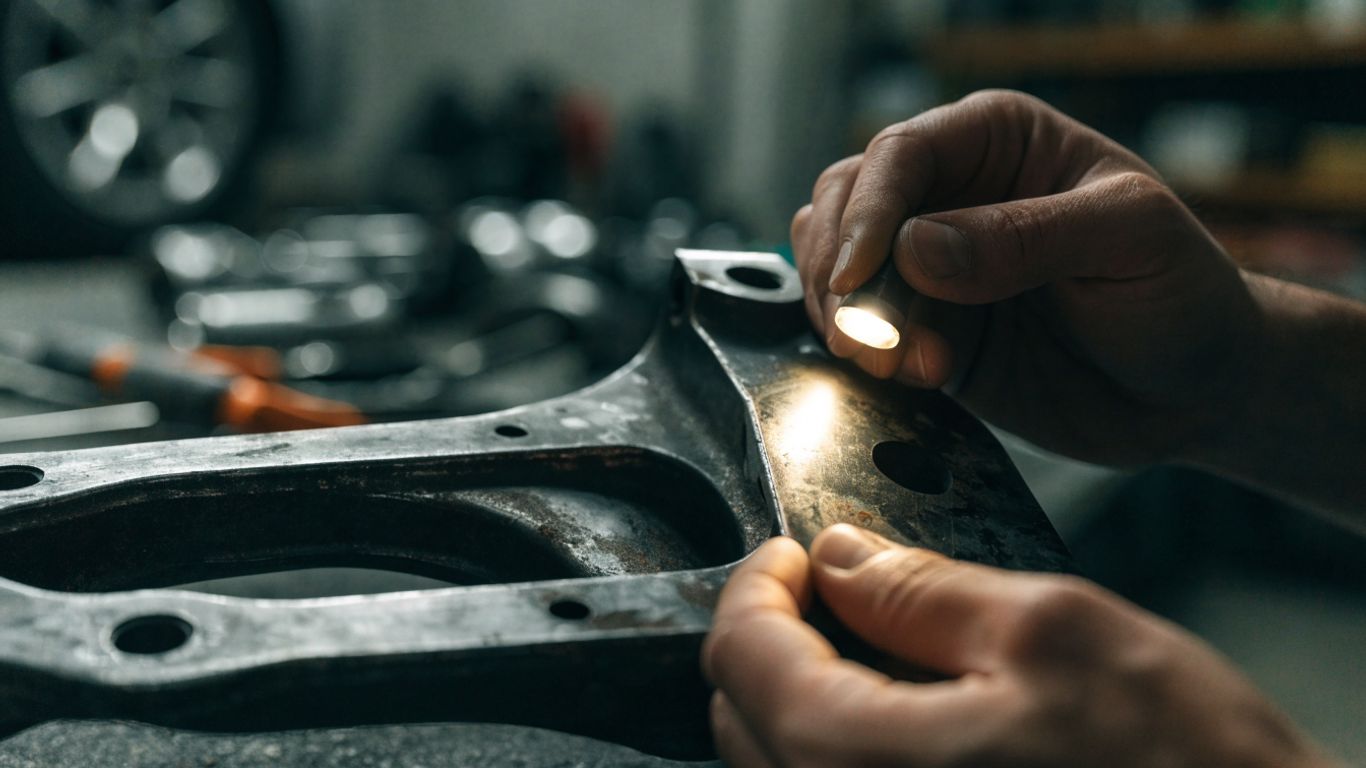
Ask for current photographs of the actual part, including labels, mounting points, connectors, and any visible damage. A written description should identify wear, repairs, missing pieces, or other known issues. If an area is difficult to photograph, ask a specific question about it; that gives you a clearer basis for deciding whether the part suits the job.
Inspect wear on mechanical and suspension components
For mechanical and suspension parts, ask what movement, wear, corrosion, leaks, or damage the seller observed during inspection. The relevant checks vary by component, so avoid treating a clean exterior as proof that an item works correctly. A mechanic can advise whether testing or replacement of associated parts should be included in the repair plan.
Verify electrical parts and connector details
Compare the connector shape, pin arrangement, labels, and part number with the original component where possible. Ask whether the part was tested and what the test covered; “untested” should be treated as an unknown rather than a promise of function. Small differences in plugs or specifications can make an otherwise similar electrical part unsuitable.
Ask about testing, warranty, and return terms
Before paying, ask what testing was carried out, whether a warranty applies, and how returns are handled if the part proves incompatible. Keep the seller’s answers alongside the listing or invoice. A few questions up front can clarify what protection you have, particularly when the part is used or must be shipped.
A part is only a good match when its fitment, condition, and purchase terms are clear.
Use that as a final check before committing. If any one of those details remains uncertain, ask for clarification or compare another option rather than assuming the issue will be easy to resolve later.
Compare prices and estimate the full cost
A quoted price is only one part of the decision. Add the costs needed to get the part fitted and the car back on the road, then compare options with matching specifications. This is especially useful when a cheaper used component comes with more uncertainty or extra work.
Compare like-for-like parts and specifications
When comparing quotes, make sure each option is intended for the same body style, engine, production period, and configuration. Also check whether the price includes brackets, sensors, or other pieces needed for installation. The table below offers a simple way to organize the differences before choosing.
| Option | Details to compare | Useful question |
|---|---|---|
| New | Specification, included fittings, warranty | Is it listed for my exact E46? |
| Used | Donor details, wear, testing, return terms | What was checked on this part? |
| Refurbished | Work performed, replaced components, test method | What does refurbished mean here? |
| Aftermarket | Manufacturer, stated application, warranty | Does the specification match the original? |
Once the details are side by side, compare the likely installation effort as well as the purchase price. A quote that looks higher may include needed fittings or clearer support, while a lower one may leave those costs to you. If the listings are not genuinely like-for-like, ask for the missing information before drawing a conclusion.
Include delivery, installation, and possible core charges
Add shipping or pickup costs, labor, and any consumables the repair requires. Ask whether a core charge applies and what is required to receive it back, if relevant to the part. These expenses can change which option is least costly, so estimate them before paying rather than treating them as small extras.
Weigh savings against age and remaining service life
A lower purchase price may be worthwhile if the part is verified and the expected service life suits your plans. Consider how difficult it would be to replace it again, and whether access makes repeat labor expensive. When the condition or history is uncertain, weigh that risk honestly instead of assuming the cheapest option will save money overall.
Set a budget for related parts and consumables
Some repairs call for seals, clips, fluids, fasteners, or other related items. Ask the installer what should be replaced at the same time and include those costs in your budget. Planning for these pieces helps avoid delays when the main part has arrived but the job cannot be completed.
Plan installation and protect your purchase
A suitable part still needs to be installed correctly and bought on terms you understand. Think through the repair before ordering, especially if the work involves diagnosis, safety, or specialized tools. Keep a simple record of what you bought and what the seller promised.
Decide whether the job suits DIY or a specialist
Be realistic about the job, your experience, and the tools available to you. Some repairs may be manageable at home, while others can involve diagnosis, safety systems, or difficult access that calls for a specialist. If you are uncertain, ask a mechanic for an estimate before ordering so you can compare the full repair cost.
Check for required tools and related repairs
Confirm what tools, fittings, and consumables are needed before starting. Ask whether the original fault could have affected other components or whether additional diagnosis is advisable. A little planning helps prevent a repair from stalling halfway through because a necessary tool or small part was overlooked.
Keep receipts and document the part’s condition
Save the invoice, listing, messages, and any photographs shared before purchase. When the part arrives or is collected, take your own photos and compare it with the description before fitting it. This record can help you explain a concern clearly if the item is damaged, incomplete, or different from what you ordered.
Confirm return procedures before fitting the part
Ask whether the part can be returned if it does not fit or fails a check, and whether installation affects eligibility. Clarify the time limit, condition requirements, and who pays return shipping. Knowing the process before fitting protects you from relying on assumptions when a problem arises.
Conclusion
Finding BMW E46 parts Gold Coast buyers can trust starts with identifying the car precisely and checking each candidate part on its own merits. Compare condition, fitment, and purchase terms alongside the full cost of installation, and ask for clarification wherever a listing leaves room for doubt. A measured search is more likely to lead to a part that suits both the vehicle and the repair.