
Key Takeaways
When searching for replacement powerplants, understanding the market landscape is crucial for a successful project. Here are the five key focus areas when navigating the engine procurement process:
- Balancing cost against the necessity for genuine factory performance.
- Selecting sourcing channels that offer verified condition documentation.
- Comparing the security of manual inspection versus the convenience of courier freight.
- Performing a rigorous physical examination of internal and external engine components.
- Executing a structured installation process followed by strict maintenance schedules.
Why consider a used Honda engine for your vehicle
Replacing a worn-out engine often sparks a decision between purchasing brand-new components or opting for a pre-owned unit. Understanding the mechanical history of your vehicle helps determine if a recycled unit can meet your operational needs while keeping repair costs manageable. This approach allows car owners to keep their vehicles on the road for extended periods without high financial strain.
Cost-effectiveness compared to brand-new units
Choosing a pre-owned motor significantly reduces your project expenditure when compared to purchasing a factory-sealed unit directly from a dealership. For many owners, the price difference remains substantial when factors like shipping and labor are included in the overall budget. By selecting a high-quality recycled engine, you can often allocate extra funds toward other necessary peripheral repairs.
Maintaining original manufacturer performance standards
Engine longevity depends heavily on how well the unit was serviced by its previous owner. A low-mileage unit that has been properly maintained can offer performance that is nearly identical to an engine that originally rolled off the assembly line. Because these motors are designed with specific tolerances, ensuring that your replacement comes from a well-maintained vehicle is the most reliable way to preserve your car’s factory-engineered driving dynamics.
Environmental benefits of recycling automotive parts
Recycling mechanical systems is a cornerstone of responsible automotive stewardship. When you recover a functional engine rather than discarding it, you significantly reduce the carbon footprint associated with manufacturing new engine blocks and internal components. This process essentially diverts raw materials from landfills and minimizes the energy intensity required for industrial mass production of new automotive hardware.
Where to source quality used Honda engines in Mandurah
Finding a reliable motor requires narrowing down your search to professional salvagers who emphasize quality control and testing processes. The Mandurah region and its proximity to broader Western Australia provide access to several automotive networks that specialize in these components.
Evaluating reputable local wrecking yards
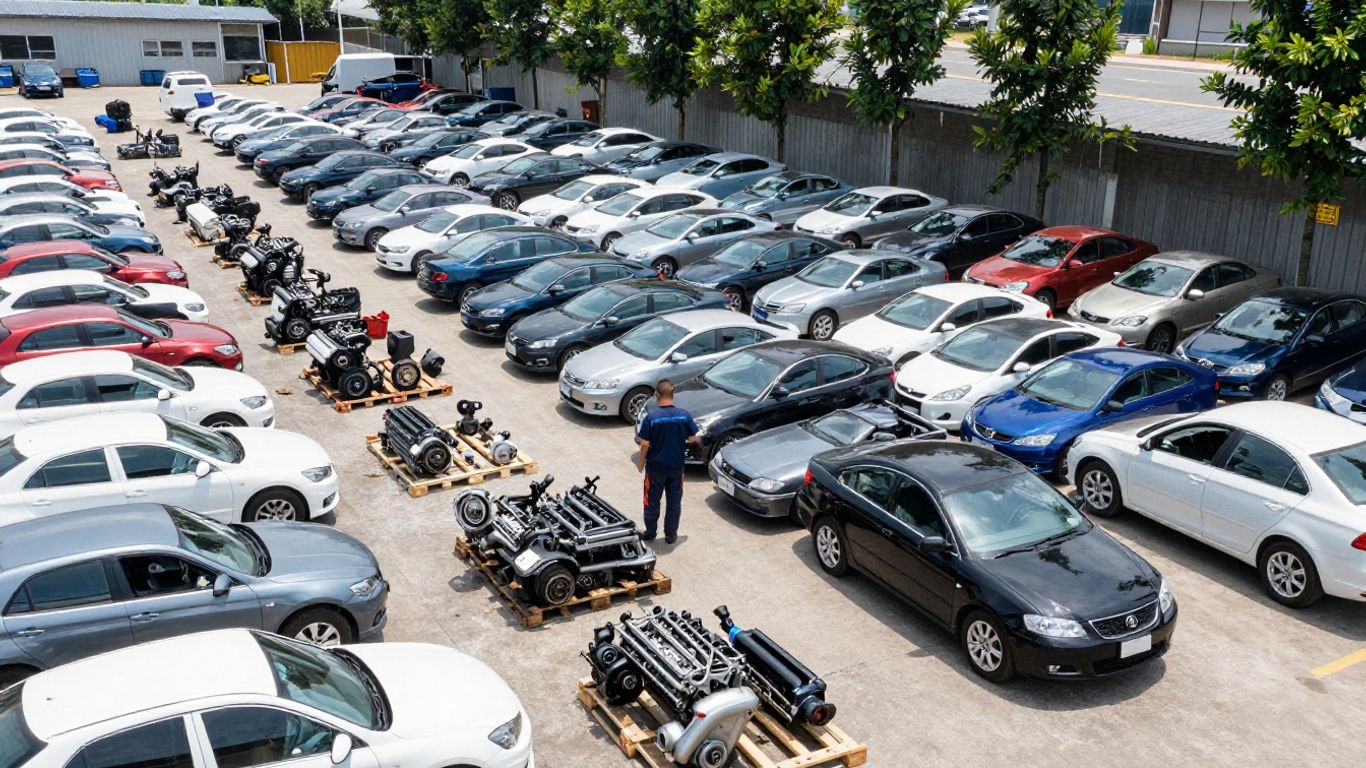
Local yards in the Mandurah area provide the benefit of seeing the part with your own eyes before exchanging money. These facilities are often able to track the vehicle’s history, giving you peace of mind regarding the state of the engine you are considering.
| Source Type | Verification Level | Convenience |
|---|---|---|
| Local Wreckers | High | High |
| Online Marketplaces | Moderate | Moderate |
| Salvage Networks | Very High | Low |
After reviewing the available options in your local yard, you will have a better understanding of which engine provides the most value for your specific repair needs. Connecting directly with the yard staff is essential to confirm the part is truly in stock and ready for collection.
Navigating online marketplaces for Honda-specific parts
Online platforms have expanded the reach for owners searching for very specific engine codes or configurations that might not be available in a traditional yard. These portals allow users to filter by exact model years and performance packages, making it easier to match your specific vehicle’s requirements. Always check for transparent feedback loops or secondary verification of the seller before confirming any online transaction.
Identifying trustworthy auto salvage networks in Western Australia
Larger state-wide networks often hold a deeper inventory of components than smaller individual workshops. These organizations typically operate through a cooperative system that links salvage yards across the region, which helps in locating rare engine models that are in high demand. Utilizing these networks ensures that you have access to a broader database of parts that have already been vetted for quality and consistency.
Benefits of choosing local pickup versus professional delivery
Transporting a heavy engine across regional distances involves specific logistical risks that you must account for during your planning stage. Selecting between picking the item up yourself or paying for professional transit hinges on your available equipment and risk appetite.
Advantages of manual inspection during local collection
When you collect an engine locally, you gain the opportunity to perform a final inspection before the transaction is completely closed. This allows for a last-minute check of external seals, sensor ports, and the general condition of the engine block. Being present ensures that you can clarify any concerns with the seller while you are physically standing in front of the item.
Coordinating safe transit for heavy engine components
Moving an engine block requires heavy-duty transport equipment, including secure tiedown straps and an engine crane or forklift for loading. Without these tools, attempting to move the component yourself could result in damage to the engine or physical injury. Utilizing an experienced courier or a specialized local salvage transport service is often the safer, more efficient route for those without private heavy-duty equipment.
Understanding delivery timelines for regional Mandurah addresses
Regional delivery can vary significantly depending on road access and the size of the transport vehicle being utilized. It is standard practice to confirm the exact delivery route and timeline to ensure someone is available at the destination to receive the shipment. Planning for these regional delays ahead of time prevents unnecessary downtime in your repair schedule.
Key inspection points before finalizing your engine purchase
Prior to committing to a purchase, you should establish a clear checklist of physical indicators that reveal the internal health of the motor. Doing so protects your investment and ensures that the engine is a viable candidate for your vehicle.
Checking for signs of internal oil sludge
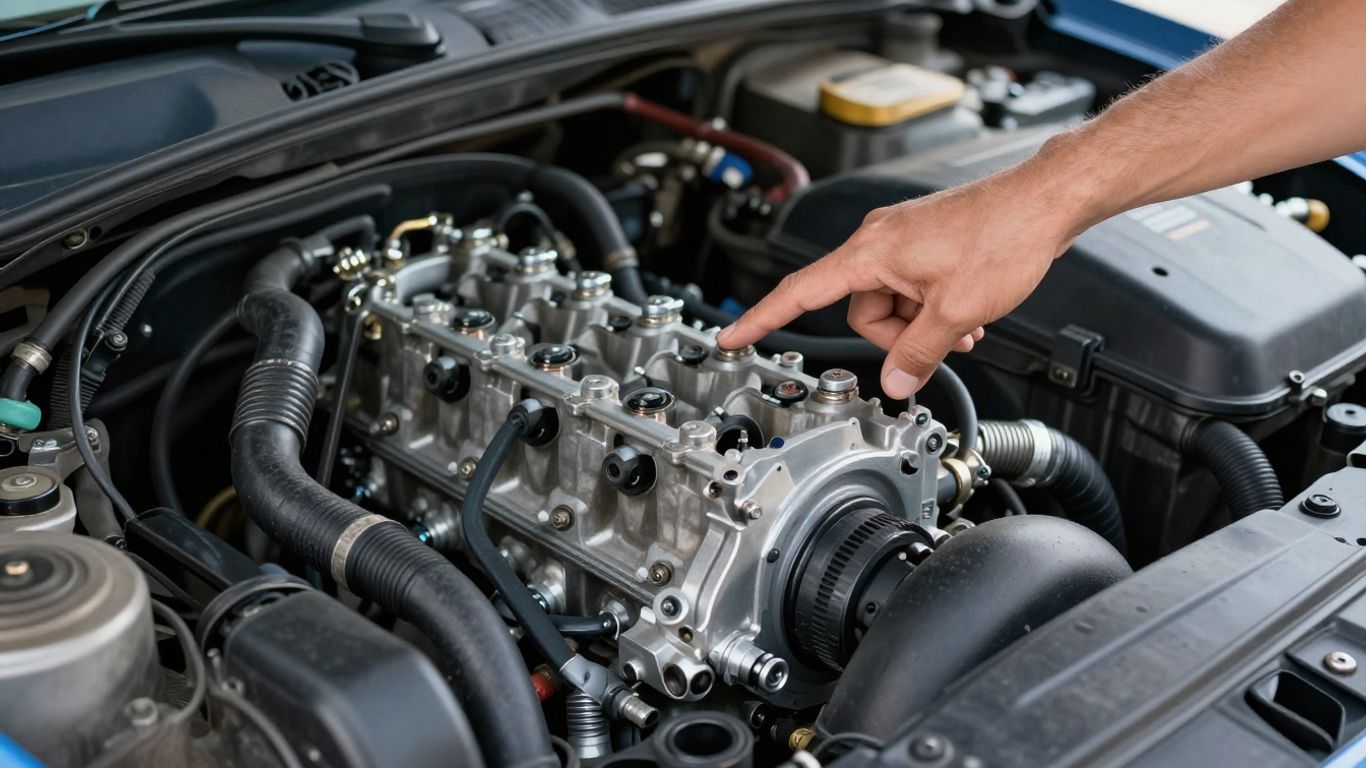
Removing the oil fill cap provides a clear window into the top end of the cylinder head. While you are there, look for oily residue or thick black deposits that indicate infrequent oil changes by the previous owner.
A well-maintained engine should show clean metal surfaces rather than caked-on sludge under the valve cover. Proper oil management ensures that moving parts remain lubricated throughout their service lifespan.
Such physical evidence of the engine’s internal cleanliness is a primary indicator of whether the unit has been neglected or properly managed by the donor vehicle’s owner. Be wary of any engine that shows deep, baked-on grime.
Verifying the engine serial number and compatibility
Cross-referencing the stamped engine serial number with your vehicle’s specific needs is the final step in ensuring compatibility. Small manufacturing changes from one year to the next can lead to significant issues during integration. Take the time to match these codes precisely with your chassis specifications to avoid logistical nightmares during the installation process.
Assessing the condition of external hoses and belts
External components are usually the first items to show evidence of age-related wear and environmental exposure, even if the core engine is robust. Brittle hoses and cracking drive belts are often early warning signs that the engine has been sitting in adverse conditions. Replacing these minor, perishable parts before the motor is installed is a standard practice for ensuring long-term reliability.
Requesting documentation regarding engine mileage and service history
Verifying that the engine has the documented history you expect is essential for planning future maintenance. If service records are unavailable, look for engine wear indicators—such as the condition of the spark plug threads or the status of the cooling passages—to estimate the intensity of its previous service life.
Installing your replacement Honda engine safely
Successful engine installation relies on a combination of clean workplace habits and correct sequencing. Taking your time during this phase keeps the internal assemblies safe and ensures all fluid lines and sensors connect securely to the existing vehicle harness.
Preparing the vehicle and workspace for motor removal
Creating a clean and organized workspace allows you to label every wire and hose clearly before disassembly. Clear out the engine bay to ensure sufficient room for maneuvering your lifting gear without causing accidental impact to the surrounding chassis or firewall components.
Essential tools required for a successful engine swap
Having the right set of tools, such as high-torque wrenches, a dedicated engine hoist, and an adjustable engine stand, simplifies the installation process significantly. These tools ensure that you can loosen and tighten mounting hardware to specific factory requirements without damaging threads or fracturing brittle aluminum components.
Aligning transmission and engine mounts correctly
Ensuring that the engine sits perfectly aligned with the transmission bellhousing is vital to prevent vibration and premature wear on the drivetrain. Take care to check for smooth seating of the mount bushings, as these dampeners play a key role in minimizing engine vibration across the chassis, keeping the cabin comfortable for the driver.
Initial startup procedures to prevent hardware damage
Before cranking the engine, always turn the crankshaft by hand to ensure that every piston moves freely without obstruction. After installation, prime the oil system first to build pressure before the first ignition. These initial steps are the most effective way to prevent catastrophic hardware damage during the very first moments of the engine’s new service life.
Maintaining your aftermarket engine for long-term reliability
Once the installation is complete, the focus shifts immediately to preservation. Continuous monitoring and strict adherence to service schedules will help the engine maintain its performance long after the initial replacement.
Establishing an immediate fluid change schedule
Treating your replacement engine to a fresh cycle of lubricants immediately upon installation is a standard practice for longevity. This process removes any lingering contaminants from the shipping or storage period, ensuring that all internal seals and galleries operate with optimal viscosity and cleanliness right from the start.
Monitoring for performance changes following installation
Keep a close eye on the temperature gauge and oil pressure during the first several hundred kilometers. Observing how the engine reacts to your daily driving habits allows you to detect small leaks or air pockets in the cooling system before they evolve into more significant issues.
Adhering to manufacturer recommended service intervals
Follow the factory-defined service intervals as if the engine were brand new. Regular checks of the replacement motor’s belts, filters, and fluid levels are the best strategy for realizing the full potential life of the used unit. Consistency in your maintenance habits is the single most important factor for vehicle reliability.
Conclusion
Properly sourcing and installing a used engine for your vehicle is a rewarding project that relies as much on careful preparation as it does on mechanical skill. By following the steps outlined here and staying vigilant with your inspection and maintenance, you can ensure that your replacement motor provides years of dependable service while keeping your total project costs within a reasonable range.