
Key Takeaways
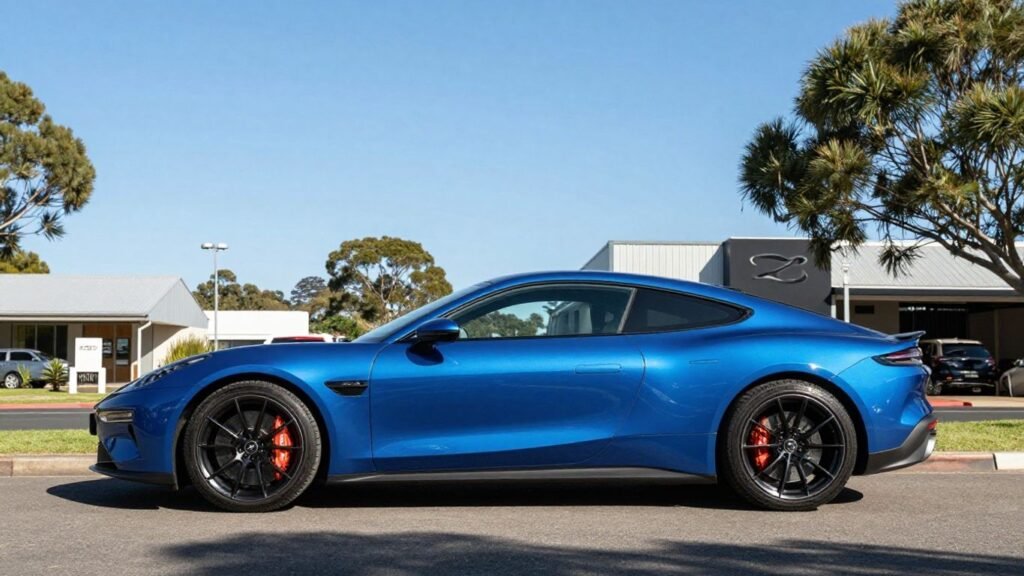
Accessing recycled components is an efficient way to maintain your vehicle while supporting sustainable practices in Western Australia. Here are five essential points to guide your decisions:
- Selecting high-quality, used original equipment ensures a precise fit for your vehicle.
- Recycling salvage auto parts helps reduce landfill waste and energy consumption.
- Comparing the price of salvage components against new dealership items offers significant cost savings.
- Verifying part compatibility using the unique vehicle identification number prevents installation mishaps.
- Securing a documented warranty on your purchases provides peace of mind for long-term reliability.
Understanding the value of Honda wreckers in Perth
Finding the right resources for your vehicle maintenance in Western Australia changes how you manage long-term repair costs. Engaging with established salvage networks allows owners to keep their cars running smoothly without excessive expenses. Using Honda wreckers Perth WA – Honda Civic, CRV, Accord, Jazz, HRV enables both efficiency and accessibility for residents across the region.
Benefits of buying used original equipment manufacturer (OEM) parts
Original parts are crafted to the exact specifications of your manufacturer, which ensures that everything snaps into place during installation. When you choose used OEM components, you are securing the same build quality found in new items at a fraction of the investment. These original parts maintain the structural and operational integrity of your vehicle, preventing the need for later modifications.
Environmental impact of recycling car components
Every time you choose a recycled door or alternator, you are diverting metal and plastic waste from local landfills. This circular approach saves the energy it would otherwise take to mine, refine, and forge new materials for vehicle production. Protecting the environment becomes a standard part of responsible car ownership when you look to salvage yards before buying brand-new items.
Cost comparison between salvage yards and dealerships
Choosing pre-owned salvage parts allows drivers to manage their vehicle maintenance budget while still utilizing reliable and tested components. Focusing on genuine recycled inventory ensures that repairs remain affordable regardless of the vehicle model.
This deliberate selection of salvaged inventory frequently results in substantial savings for owners of older vehicles. While dealerships offer new inventory, the markup on standard parts is often quite high, whereas salvage yards provide value that aligns better with an older vehicle’s market worth.
Identifying high-quality salvage parts for your Honda
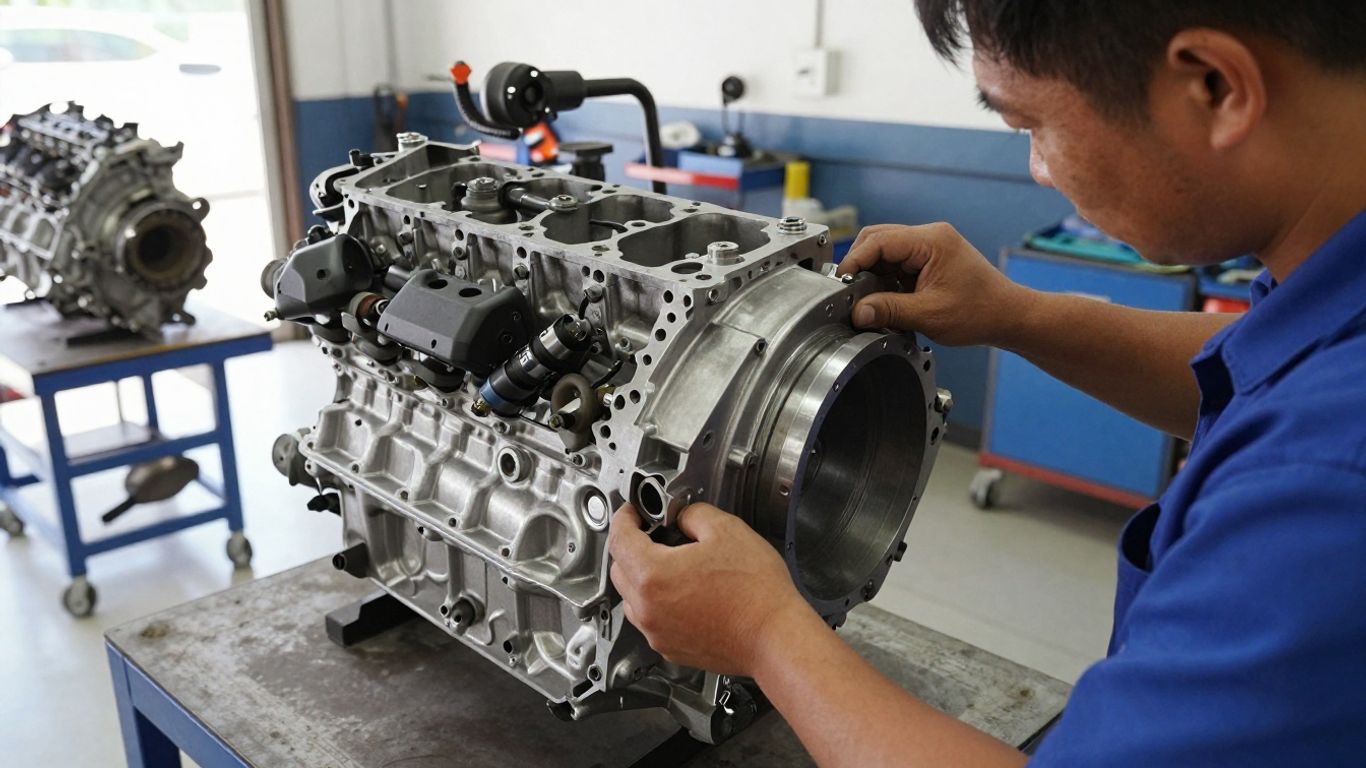
Conducting a thorough check on prospective parts is essential for any successful repair project. Quality assurance starts with understanding the history of the donor vehicle and the physical condition of the specific component you are retrieving or purchasing from a yard. Focusing on the durability of your replacements helps keep the car on the road longer.
Inspecting mechanical components for wear and tear
When examining salvage items, prioritize checking for cracks, excessive rust, or fluid leaks that might indicate impending failure. A close visual inspection allows you to judge whether the part still has potential for heavy use. Taking your time to review moving parts like pulleys or linkages ensures that you only invest in components that will function as intended after installation.
Verifying part compatibility by vehicle identification number (VIN)
The most effective way to avoid frustration during assembly is to confirm specific hardware matches your car via the VIN. Many parts may look identical across different model years but possess internal variations in mounting points or electrical plugs. Relying on professional records ensures that the part you receive is a perfect functional match for your specific vehicle requirements.
Distinguishing between aftermarket parts and genuine Honda salvage
Genuine salvage items offer the specific engineering standards of the original manufacturer, unlike some aftermarket versions that may prioritize low-cost manufacturing over long-term durability. Identifying the authentic stamps or part numbers on a salvaged door or engine assembly confirms that you are getting a component designed for your specific Honda model.
Navigating wrecker inventory for specific Honda models
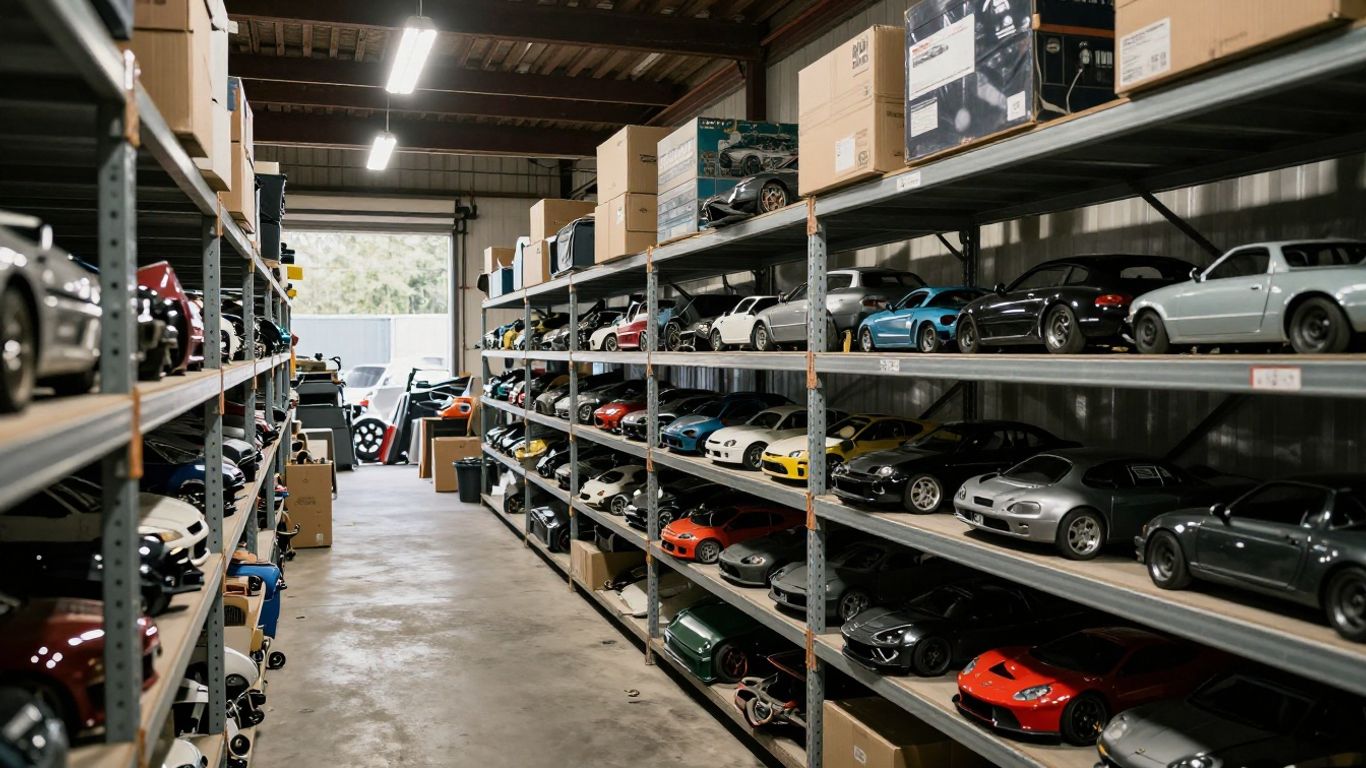
Finding exactly what you need is easier when you know where to look within the inventory of local facilities. Dedicated yards often categorize their stock based on the mechanical requirements of popular vehicles, which simplifies the search process significantly. Understanding these inventory flows helps you efficiently track down components for any repair job.
Sourcing hard-to-find parts for older Accord and Civic models
Older Accord and Civic models often require specific trim pieces or engine sensors that are no longer supported by current manufacturer production lines. Experienced salvage facilities like those found in the Rockingham area typically maintain extensive collections of these older components. These yards provide a crucial lifeline for restorers who need to find rare items to keep their classic reliable cars operational.
Finding interior and electrical components for CRV and HRV
Modern SUVs like the CRV and HRV often utilize complex electronics that can be expensive when purchased brand-new. You will find that salvage professionals regularly process these models, extracting functional modules and pristine interior panels. Having access to these recycled electrical parts can save you a significant amount on dashboard or comfort system repairs.
Checking availability for the Honda Jazz subcompact range
The Jazz is a popular choice for urban commuting, but its unique subcompact footprint means it sometimes requires specific panels or light assemblies. Facilities that focus on high-volume Japanese imports usually keep a consistent inventory of Jazz components ready for purchase. Checking with staff specifically about this range ensures you do not waste time browsing irrelevant stock sections.
Tips for getting top cash for your end-of-life Honda
Turning an unwanted car into quick capital requires a simple evaluation of the vehicle’s remaining worth to salvage professionals. Preparing your documentation and understanding current salvage rates will set you up for a smooth transaction. Being transparent about the state of your car ensures that both the owner and the recycler have clear, honest expectations during the handover.
Preparing your vehicle for an accurate salvage quote
Removing personal belongings and gathering any remaining logbooks or service records will make the assessment process much faster. An accurate quote depends on the ability of the wrecker to verify the history and utility of the engine or chassis. Having these items organized shows the buyer that you understand the value of the components remaining in your car.
Understanding how mileage and condition affect market value
Salvage yards evaluate vehicles based on the potential to recover useful, working components for other car owners. A lower mileage engine with documented service history will naturally command a better price than a vehicle with extreme wear. Every detail regarding the car’s physical condition helps the facility estimate the true return they can get from the salvage process.
Legal requirements for transferring title to wrecker facilities
Ensuring all paperwork for the title transfer is completed correctly protects both you and the recycler from liability. Each jurisdiction has its own rules for decommissioning a vehicle, so check with your local contact about submitting necessary forms. Finalizing these details properly ensures that your responsibility for the vehicle legally ends as soon as the car is collected.
Ensuring reliability when purchasing recycled auto parts
Confidence in your purchase is paramount when you are installing used components back into a daily driver. Building a relationship with a reputable facility that tests its inventory adds a layer of security to the entire process. By following standard verification steps, you minimize the risk and ensure the repair project stays on schedule.
The importance of warranties on used car parts
Many professional salvage yards offer a limited warranty on their components, which acts as a guarantee of functionality. Asking about the length of this coverage provides a safety net should you encounter a defect after the part is installed. Always confirm the terms of the return policy before you finalize your transaction.
Testing electronic modules before installation
Electrical sensors and control modules are sensitive devices that benefit from basic diagnostic checks before being placed into your system. If your facility has the means to power test these items, take advantage of that verification. It is far easier to confirm a part works on the workbench than it is to diagnose a failed component after it has been wired into the vehicle.
Documenting the salvage purchase for insurance purposes
| Item Category | Warranty Period | Verification Method |
|---|---|---|
| Mechanical Parts | 30 Days | Bench Testing |
| Electronic Modules | 14 Days | Computer Diagnostic |
| Chassis Components | 90 Days | Visual Inspection |
Maintaining detailed records of your purchases is essential for anyone who might eventually claim repairs under an insurance policy. Keeping your receipts and any technical documentation provided by the wrecker serves as proof that you used quality parts for your maintenance work. This record-keeping ensures you are protected and allows shop technicians to clearly see the origin of your car’s components.
Conclusion
Navigating the world of local salvage allows you to maintain your vehicle with precision while embracing affordable and sustainable repair options. By focusing on verified parts and professional service, you can keep your Honda running reliably for years to come.