Key Takeaways
Finding reliable components for your vehicle involves understanding the local market and verifying part history. Consider these five essential aspects when searching for salvaged automotive parts in Tasmania.
- The financial savings provided by original equipment manufacturer parts remain significant over time.
- Quality assurance checks ensure you receive consistent and functional mechanical hardware for your vehicle.
- Hobart wrecking yards offer essential access to parts for older models that are no longer supported by manufacturers.
- Choosing to recycle existing automotive components significantly decreases your overall environmental impact.
- Proper verification of vehicle identification and serial numbers ensures that every part purchased remains fully compatible with your specific platform.
The benefits of choosing genuine used Honda parts
Maintaining a reliable vehicle often requires finding components that meet strict factory specifications without the high costs associated with brand-new parts. By utilizing the secondary market, owners can access high-quality hardware that has already been proven under real-world driving conditions in Tasmania. This practical approach to vehicle maintenance supports long-term reliability for a wide range of model years.
Cost-effectiveness compared to new dealership prices
Choosing recycled components provides a substantial reduction in expense when compared directly to the retail costs of brand-new items. By selecting parts salvaged from donor vehicles, owners achieve significant financial savings while still keeping their internal systems working precisely as intended by the original manufacturer.
Quality assurance with original equipment manufacturer (OEM) components
Original equipment parts are built to rigid standards that aftermarket manufacturers often struggle to emulate perfectly. By opting for these genuine components sourced from reputable professional salvage yard experts, you guarantee that the electronic and mechanical connections fit perfectly, maintaining the exact performance characteristics expected from your vehicle.
Immediate availability for older or discontinued Honda models
When a specific model reaches a certain age, dealerships often stop stocking specialized hardware, leaving owners in a precarious position. Salvage yards bridge this gap by keeping an inventory of older components, ensuring that your classic or daily-driven vehicle remains functional even if production of certain trim pieces has ceased.
Environmental advantages of extending the lifecycle of car parts
The decision to reuse automotive hardware prevents waste and reduces the energy required to forge new materials from scratch. The following comparison illustrates why choosing used OEM hardware is a logical step for budget-conscious and eco-friendly drivers.
| Part Category | Replacement Method | Typical Savings |
|---|---|---|
| Body Panels | Used OEM | High |
| Sensors | Second-hand | Moderate |
| Interior Trim | Recycled | Substantial |
Selecting these items keeps raw materials in circulation far longer than intended by initial production cycles. This circular process is a primary driver in reducing industrial waste throughout Tasmania.
How to identify reputable Honda wreckers in Hobart
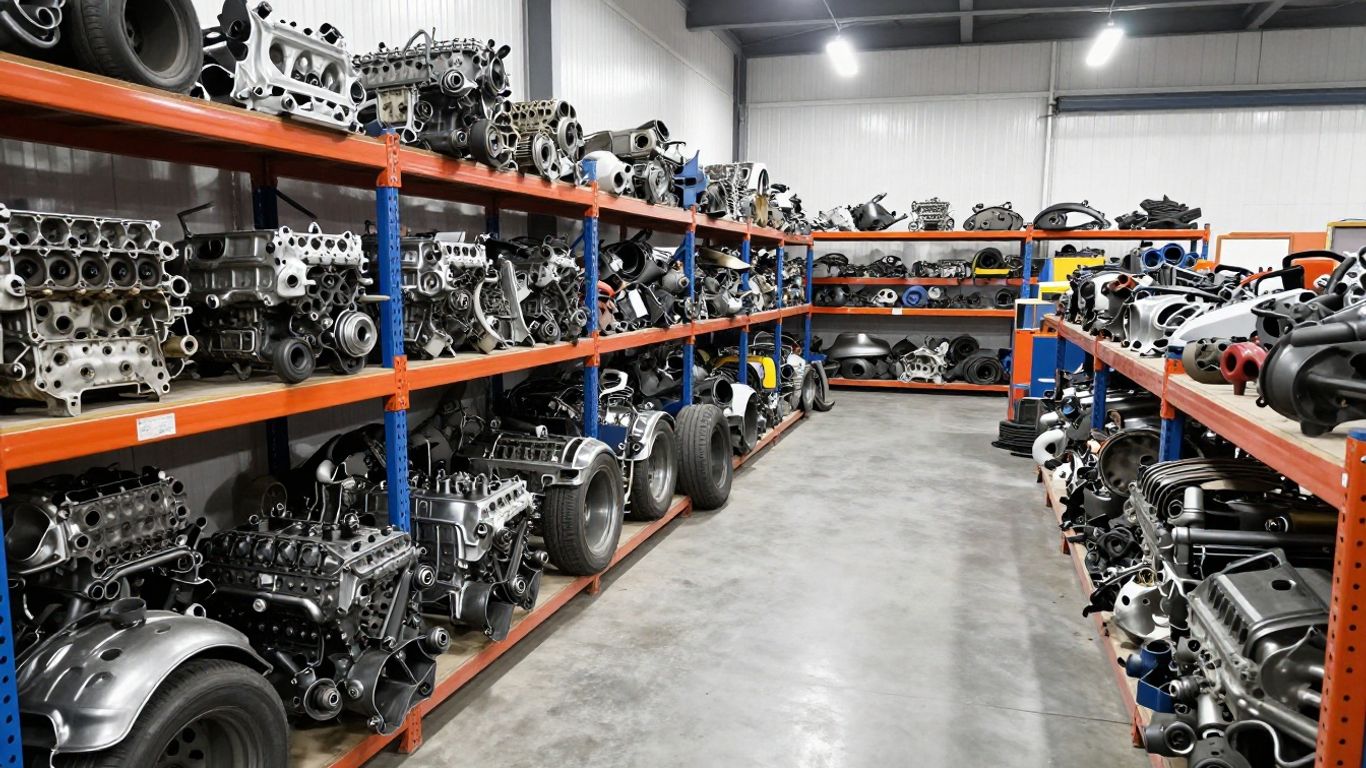
Locating a trustworthy automotive recycler requires evaluating their business history and internal organization. Reputable establishments in Hobart demonstrate their reliability through transparent inventory management and positive feedback from local drivers who have purchased replacement components before.
Checking local business reputation and customer testimonials
Past interactions with a wrecking facility often tell the most accurate story regarding their reliability. Looking at long-standing community experiences helps you determine if the staff prioritizes honesty and helpful assistance over quick, high-volume transactions.
Verifying proper storage conditions for salvaged parts
A facility that cares about its stock will keep delicate electronic items and mechanical assemblies out of the reach of damp weather. Proper storage, typically indoors or under protective cover, suggests that the salvaged hardware remains in superior condition rather than aging rapidly due to exposure.
Evaluating the transparency of warranty policies
Trustworthy wreckers usually provide a clear, written guarantee for their items, reflecting their confidence in the testing process. A policy that details the return or exchange procedure provides peace of mind that a purchase will either function correctly or be rectified by the seller.
Assessing the technical expertise of the wrecking staff
The knowledge possessed by the employees can be the deciding factor when searching for a rare or specific engine part. A skilled team understands the mechanical nuances between different generations of vehicles, ensuring they provide you with accurate data rather than guessing part compatibility.
Common Honda components best sourced second-hand
Certain items are highly suited for the secondary market because they rarely experience wear that impacts their function. Identifying which components retain their integrity allows you to save money without introducing unnecessary risk to your car’s performance.
Exterior body panels, bumpers, and lighting assemblies
Large trim pieces such as fenders and bumper covers represent excellent value when sourced from a salvage yard. Since these items typically suffer only cosmetic damage, finding pristine examples from wrecked vehicles allows you to refresh your car’s appearance for a fraction of the cost of new paintwork.
Interior trim, seats, and dashboard hardware
Updating the interior of an older vehicle can breathe new life into a cabin, and salvage yards are often full-to-bursting with well-preserved trim and upholstery. Because these parts are non-mechanical, they serve as ideal replacements for those dealing with cracked plastic, worn fabric, or broken switches.
Reliable mechanical sensors and electrical switches
Electronic components often cost a premium at retail, yet many salvaged sensors perform just as well as their factory-new counterparts. Testing these items with appropriate diagnostic equipment before installation ensures they will communicate flawlessly with your vehicle’s engine management system.
Engine components compatible with older Honda platforms
Sourcing internal mechanical items, such as pulleys, brackets, or specific engine housings, is a smart strategy when you need a exact fit that off-brand alternatives cannot provide. These components are durable and designed for long-term use within specific engine configurations.
Sourcing mechanical components from a reliable salvage yard helps keep your older vehicle on the road while significantly reducing the financial burden of regular maintenance. This approach maintains the integrity of your factory-spec vehicle without forcing the use of generic, unproven aftermarket alternatives.
Adopting this method for engine repairs ensures that you do not force uncertified parts into a system designed for precision, effectively safeguarding your vehicle’s long-term health.
Navigating the process of buying from a Hobart auto wrecker
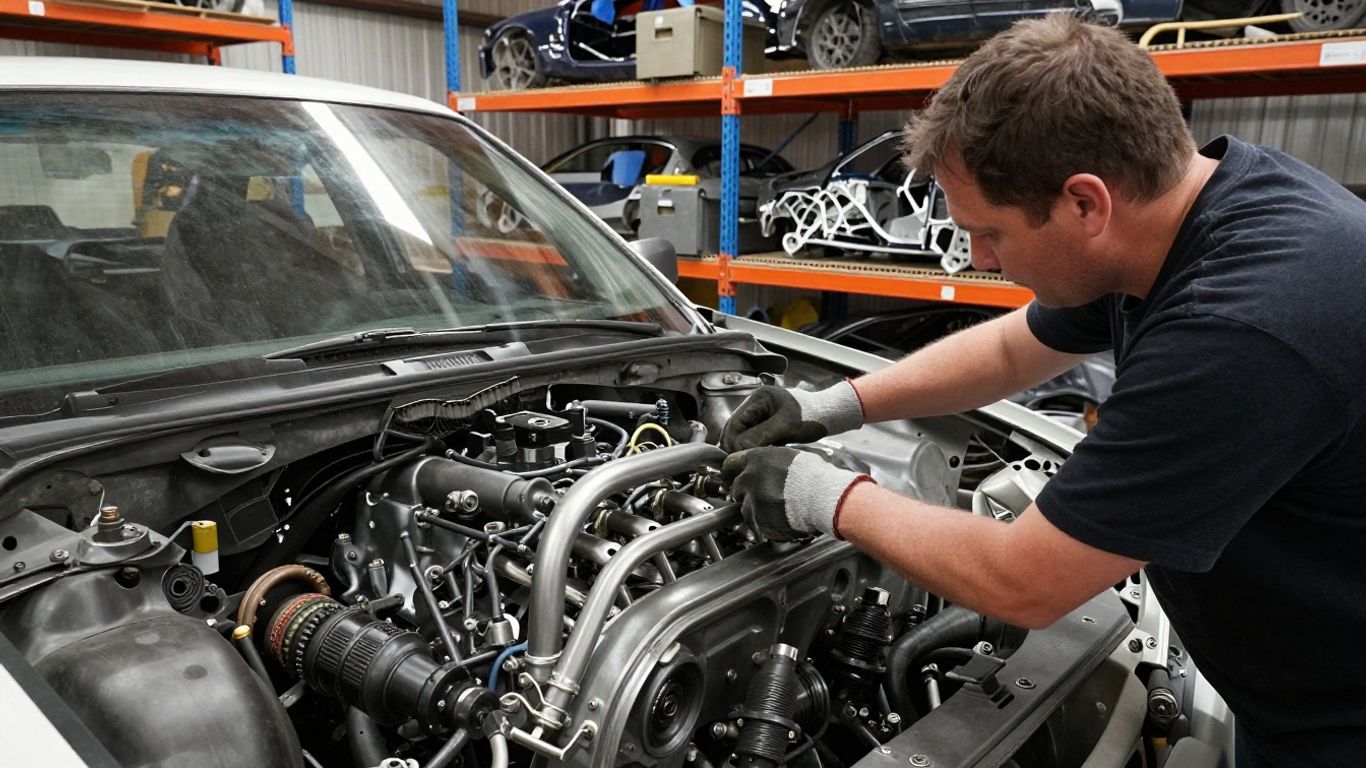
Preparation is vital when you engage with an auto wrecker, as it minimizes the time spent in the yard searching for the right match. Having your documentation ready allows staff to query their database efficiently and prevents errors during the selection process.
Providing accurate vehicle identification numbers (VIN) and engine codes
Your VIN is the primary tool that identifies the exact build specs for your car, which is vital when hunting for specific parts. Sharing this code with a wrecker ensures they check the correct platforms, confirming that the parts you secure will fit your vehicle perfectly the first time.
Understanding compatibility between different Honda model years
Many parts are interchangeable across a range of production years within the same model generation. A knowledgeable wrecker can clarify whether a part from an older build will function correctly in your newer car, saving you from purchasing incompatible hardware.
Comparing pricing structures across Tasmanian salvage yards
It is common to find varying price points for identical parts at different yards throughout the region. Briefly evaluating a few local options ensures you get a fair market rate, though you should factor in local proximity and business quality during your final decision.
Arranging local pickup versus remote shipping options
Deciding how to move heavy parts from a yard to your workspace can influence your overall budget. Most wreckers offer local pickup services, which avoids shipping fees and allows you to do a final visual check of the item before finalizing the transaction.
Essential tips for inspecting used Honda parts
Even when buying from a reputable source, performing a hands-on assessment is a standard practice for any savvy buyer. You want to ensure that secondary parts have not been compromised by the event that caused the donor vehicle to be written off.
Checking for signs of physical wear or structural damage
Inspect the surface of any part for cracks, deep scratches, or signs of heat exposure. If a component looks like it has been through a major impact, it is usually safer to seek another unit that retains its original shape and integrity.
Verifying part matching using OEM serial numbers
Always compare the serial numbers of the replacement part against the item you are removing from your car. This verification step confirms that the component is an authentic fit, preventing costly installation issues that arise from subtle differences in production batches.
Assessing the condition of connectors and mounting points
For electrical items, check the integrity of pins and plugs, as rust or bent metal can prevent a proper signal. Similarly, ensure that mounting tabs are intact so the part stays securely attached to your vehicle during daily travel.
Inquiring about the mileage and history of the donor vehicle
Understanding how many kilometers the donor car covered before being wrecked provides context for the part’s remaining lifespan. While a high-mileage engine might require more scrutiny, structural or aesthetic trim items could still be perfectly functional despite their age.
Sustainability and the automotive recycling industry in Tasmania
Recycling is the backbone of the local automotive sector, providing a framework for responsible material management. By reusing what is already in existence, the entire Tasmanian vehicle community contributes to lower levels of industrial waste.
Reducing the carbon footprint of manufacturing new aftermarket parts
The energy required for creating, packaging, and transporting new auto components is enormous compared to harvesting used ones. Using salvaged parts directly reduces the demand for mass production, acting as a small but meaningful contribution to energy conservation.
Minimizing the volume of automotive scrap ending up in landfills
Every part taken from a donor vehicle is one less piece of metal, plastic, or rubber sitting in a scrap pile. Salvage businesses play a critical role in keeping unnecessary debris out of environments throughout Tasmania, ensuring that materials are repurposed rather than buried.
Supporting the circular economy within the local Hobart automotive sector
A healthy, local automotive industry relies on the constant circulation of high-quality components. By choosing local wreckers, you help sustain a cycle that favors repair rather than abandonment, strengthening the repair-and-reuse culture across the state.
Conclusion
Choosing genuine used parts for your car is a responsible way to maintain your vehicle’s performance while managing your budget effectively. By understanding what to look for and where to search, Honda owners in Hobart can easily access reliable components that keep their vehicles running smoothly for many years to come.