Key Takeaways
Finding reliable automotive solutions helps maintain older vehicles without excessive expenditure. These five key points summarize why local wrecking services remain a preferred choice for automotive maintenance.
- Local wreckers offer significant cost reductions compared to procuring brand-new factory components.
- Used parts provide immediate solutions, reducing wait times often associated with importing inventory.
- Vehicle recycling promotes environmental health by keeping automotive waste out of landfills.
- Accurate identification using VIN data ensures that reclaimed parts integrate perfectly with your specific vehicle.
- Professional salvage operators verify part quality through mechanical testing rather than relying on guesswork.
Understanding the benefits of using local Honda wreckers
Maintaining a reliable vehicle often requires finding parts that are both affordable and accessible within your immediate area. Choosing established wreckers allows you to source genuine components that have been salvaged from donor vehicles matching your daily driver. By utilizing these local resources, you support the circular economy while ensuring your vehicle remains roadworthy for many more years to come.
Cost savings on genuine OEM components
Opting for salvaged parts typically reduces repair expenditures significantly because you avoid the premium pricing associated with dealership stock. Since many of these items still hold substantial functional life, they offer an economical path to vehicle repair for budget-conscious owners. This approach allows you to perform essential maintenance without overextending your financial resources.
Immediate availability compared to ordering new parts
Supply chain delays often plague the automotive industry, making it difficult to source parts quickly when a vehicle stops running. Local yards maintain an inventory of tested items ready for immediate collection or rapid delivery across the region. This eliminates the uncertainty of shipping lead times and helps get your vehicle back on the road much faster.
Environmental sustainability through vehicle recycling
Professional wrecking organizations focus on responsible disposal by stripping vehicles for every usable component before recycling the remaining metal shell. This process prevents thousands of tons of discarded material from entering local landfill sites annually. By reusing these components, you contribute directly to the longevity of the planet while solving immediate mechanical needs.
Professional expertise regarding specific Honda engineering
Technicians at specialized facilities understand the nuances of various powertrains and chassis configurations found across multiple generations. They offer informed advice on compatibility and installation practices that non-specialized salvage lots might lack. Drawing on this experience ensures you receive accurate guidance for even the most complex repair jobs.
Identifying compatible parts for your specific Honda model
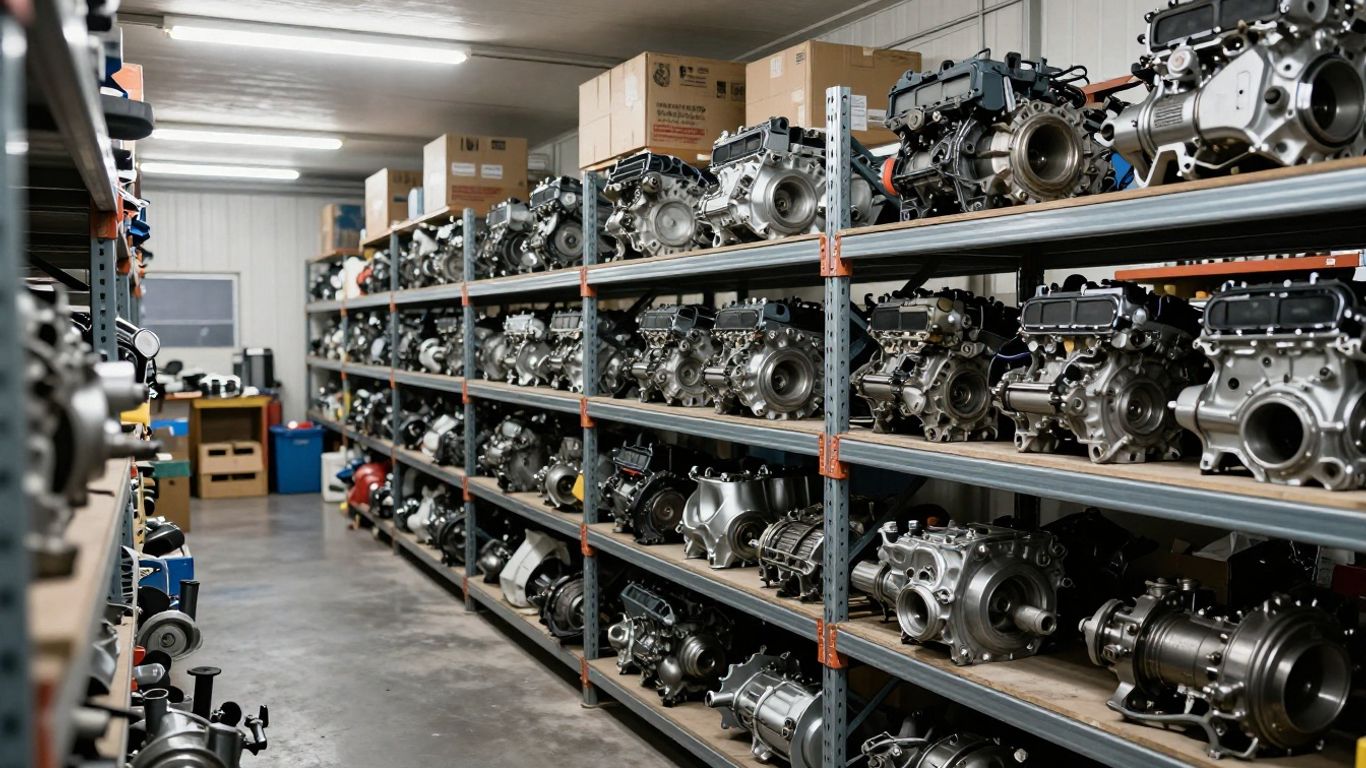
Finding the perfect match for your vehicle requires careful attention to the manufacturing details that define performance and safety. When you visit a local yard, clear communication regarding your requirements helps staff locate the precise match for your drivetrain and internal systems. Relying on professional expertise in the Adelaide area streamlines this process significantly.
Finding parts for the popular Honda Civic and Jazz
Compact models are highly prevalent in the salvage market, meaning components are frequently recovered and cataloged for immediate retail. Staff regularly manage requests for these specific models, maintaining structured records of parts like transmissions and electrical hardware.
| Part Category | Condition | Availability |
|---|---|---|
| Transmission | Inspected | High |
| Alternator | Tested | High |
| Dashboard Panel | Removed | Moderate |
Standardized records like the table above aid in maintaining a clean inventory that allows for faster search results when you arrive. Having a clear idea of what you need improves the efficiency of every visit to the facility.
Sourcing components for Honda SUVs like the CR-V and HR-V
These versatile vehicles often require durable drivetrain parts and specialized body panels to maintain their road presence. Because these models see extensive use, regional wreckers prioritize the salvage of heavy-duty suspension and climate control systems that often face early wear. Bringing your part numbers to the counter ensures exact matches for these specific high-demand vehicles.
Specialized salvage for discontinued or older Honda lines
Finding parts for an aging or discontinued car can feel impossible when traditional retailers stop manufacturing legacy components. Salvage yards serve as a vital repository for these rare pieces, often holding items in stock specifically to serve owners of classic or retired models. If a part has been out of production for years, the specialized salvage community is frequently your only reliable source.
Using your Vehicle Identification Number for precise matching
Providing your VIN to the sales desk acts as the definitive way to confirm part compatibility during the procurement phase. Because subtle manufacturing changes occur between production runs, relying on this unique number prevents the common issue of incorrect part fitment. Always have this information recorded clearly on hand before initiating any inquiry.
How to verify the quality of used auto parts
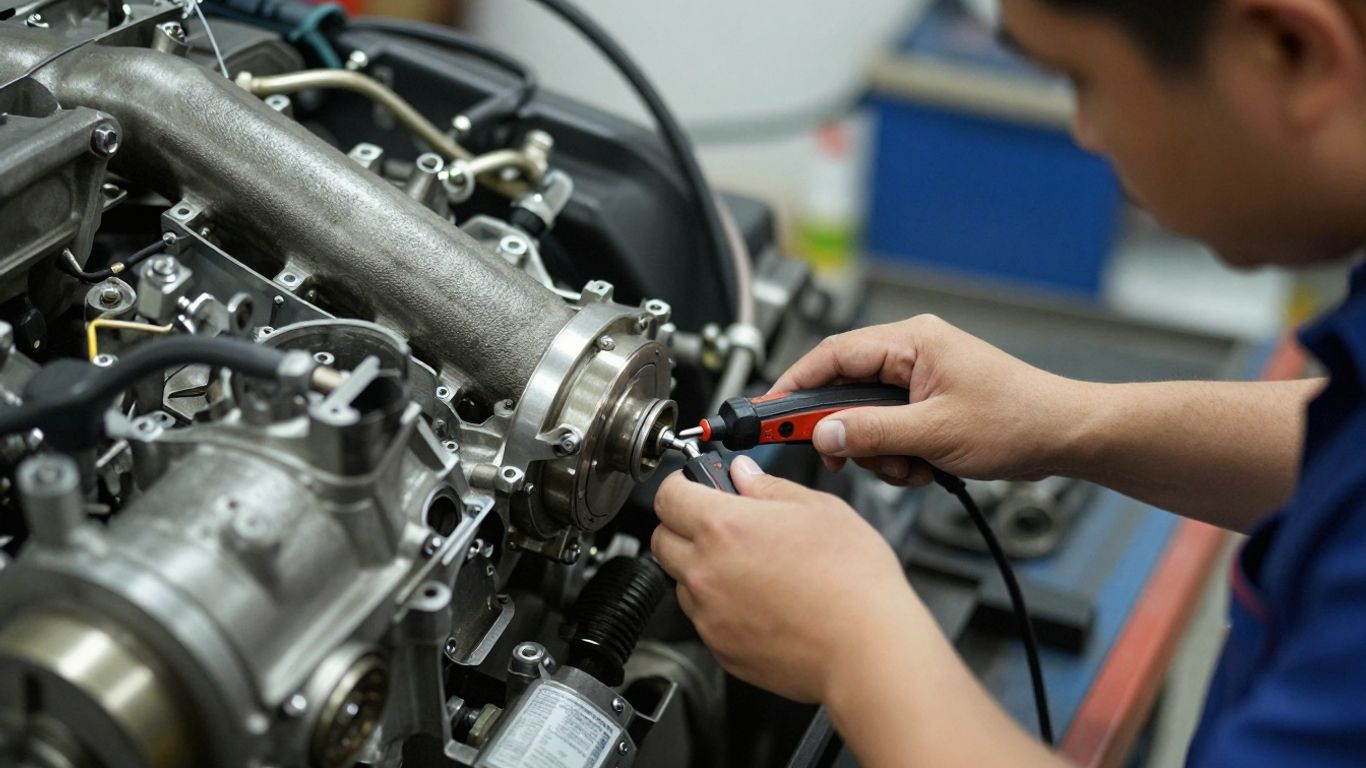
Evaluating the condition of any reclaimed component involves looking beyond appearance to ensure long-term functionality. Responsible yards conduct thorough checks to verify that the item meets safety standards before it is sold. Learning what to look for empowers you to make informed decisions for your vehicle’s mechanical health.
Inspecting for structural integrity and mechanical wear
Examine all mounting points and seals for signs of degradation or damage that could impair future performance. Experienced staff often demonstrate how they tested specific items to confirm they hit performance targets before removing them from the donor cycle.
Quality assurance serves as the primary barrier preventing the installation of compromised parts into functional vehicles, ensuring that secondary components maintain the same safety standards as original factory hardware.
This verification ensures you receive reliable hardware that holds up well after installation. Understanding what makes a part worth keeping prevents expensive follow-up repairs.
Determining the mileage and history of the donor vehicle
Knowing how hard a donor car worked during its operating life provides clues about the internal condition of recovered parts. Yard staff can usually pull this information from vehicle records or dash instrumentation to give you peace of mind regarding the longevity of the specific unit you choose. This transparency is a hallmark of professional wrecking operations in South Australia.
Checking for warranties provided by professional wrecking yards
A reputable dealer offers reasonable coverage periods to back their claims about the items they sell to customers. These warranties generally cover structural or functional defects uncovered after installation, allowing for a swift exchange if problems arise. Clarifying the warranty window before paying gives you crucial protection against the volatility of buying used goods.
Distinguishing between aftermarket and original manufacturer parts
Identifying the authentic mark of the manufacturer helps ensure that each item maintains the engineering tolerances intended for your specific drive. Aftermarket parts often use different materials that may not always align with your vehicle’s factory specifications in the same way. By asking staff to point out branded stamps, you secure the correct level of build precision.
Navigating the procurement process in Adelaide
Securing parts in Adelaide involves understanding the local landscape of salvage facilities and how they handle consumer technical requirements. Communicating clearly with staff about your specific technical needs ensures they focus on the right inventory segment throughout the search process. A patient and prepared approach is usually the most effective way to address your mechanical concerns.
Comparing inquiries via phone against in-person yard visits
A quick phone call often helps you verify stock levels before driving, saving unnecessary travel time if the item is currently unavailable in the yard. In contrast, an in-person visit allows you to physically inspect the condition of large items or request specific removals from the donor vehicle layout. Balancing these two methods allows for a tailored procurement strategy that changes based on the part complexity.
Providing the correct specifications to sales staff
Sharing accurate details such as your engine code and transmission type assists sales professionals in filtering their inventory down to the exact match. Vague descriptions often result in wasted time, while precise technical specifications lead to faster identification within their internal database systems. Preparing these details ahead of time ensures a productive discussion at the counter.
Logistics of part pickup and professional delivery options
Heavy components require logistical planning, especially when handling items like complete gearbox assemblies or large body panels. Many local yards offer regional delivery services or have established freight partners that handle transport for a reasonable fee. Discussing these logistics beforehand helps avoid on-site complications or the need for emergency transport arrangements.
Understanding standard payment methods and refund policies
Familiarizing yourself with the standard fiscal practices of the yard avoids confusion at the point of sale. Most facilities accept card or cash payments and provide clear documentation regarding what qualifies for a potential return or exchange. Keeping your receipt and ensuring you agree on the return policy up front keeps your transaction professional and secure.
Tips for selling your damaged or end-of-life Honda
If you find yourself with an unwanted vehicle that no longer functions, turning it over to a professional wrecker can be a simple alternative to paying for storage. This process involves a systematic approach to clearing out a vehicle that has reached the end of its functional life on public roads. Understanding these steps makes the transition clean and efficient.
Preparing your vehicle for mechanical assessment
Before professional wreckers take the vehicle, removing personal belongings and clearing out non-automotive clutter speeds up the intake process significantly. You should also ensure that the vehicle allows for easy access to the engine bay if the appraisers need a look at the remaining core systems. A clean state allows for a swifter valuation and immediate processing for the next phase of life.
The process of legal title transfer and paperwork
Handling the legal transfer of the title is essential to ensure that you are no longer responsible for the vehicle once it changes hands. Professionals will typically guide you through the necessary state-level documentation to sign off on the ownership transfer, keeping you legally protected. Always keep a copy of your signed paperwork for your personal vehicle records.
Getting an accurate valuation based on current scrap value
Valuations generally depend on the weight and metallic content of the vehicle once all usable components are stripped and recycled. When requesting a quote, being honest about the current mechanical state helps the evaluator provide a fair price that reflects the current market for scrap metal. Receiving a realistic offer is the standard result of providing accurate information from the beginning.
Scheduling prompt removal and vehicle towing services
Once the financial details are settled and the paperwork is processed, you can coordinate a time for the facility to tow the vehicle away. Using a dedicated towing service ensures that the vehicle is removed safely and without causing damage to your driveway or street. Scheduling this for a time that suits your calendar completes the process with finality.
Conclusion
Utilizing the resources offered by local wrecking yards provides a reliable and sustainable path for owners of all vehicle models, ensuring that your automotive needs are met with precision and care. By choosing to source parts from professional recyclers, you gain access to genuine components while supporting ethical practices that benefit both the community and the local environment in Adelaide.