
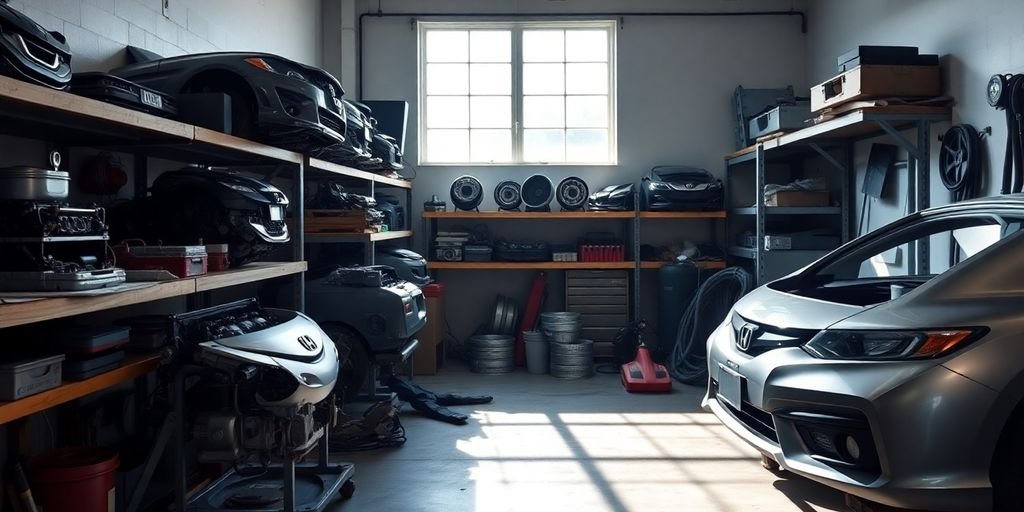
So, your Honda Civic needs a part, and you don’t want to pay a fortune for a brand-new one. That’s where Honda Civic wreckers come in handy. Finding the right place to get quality used parts can feel like a treasure hunt, but it doesn’t have to be a headache. We’ll walk through how to find good wreckers, what to look for in parts, and why this is often the smartest way to go for your wallet and the planet.
Key Takeaways
- Specialized Honda Civic wreckers know their stuff, making it easier to find compatible parts for your specific model and year.
- Always provide detailed information about your Civic, like the exact year, model trim, and any specific features, when asking for parts.
- Check the condition of used parts by asking about grading systems, testing, and any available warranties or return policies.
- Combining online searches with visits to local yards can help you find the best selection and inspect parts in person.
- Using used parts from Honda Civic wreckers is not only cheaper but also a more environmentally friendly choice for car repair.
Finding Reputable Honda Civic Wreckers
Understanding the Value of Specialized Honda Civic Wreckers
When you’re looking for parts for your Honda Civic, going to a place that specializes in Hondas makes a big difference. These places know Hondas inside and out. They have a huge selection of Civic parts from different years and models. Because they focus on just one brand, their staff really understands how different parts fit together and which ones will work with your specific car. This means you’re more likely to get the right part the first time, saving you a lot of hassle.
Key Benefits of Choosing Honda-Specific Wreckers
Picking a wrecker that deals only with Hondas means you get more than just a part. You get someone who knows the ins and outs of Honda engineering. They can tell you if a part from a slightly different year will fit, or if there are any quirks with certain engine types, like the difference between a K-series and a J-series engine. This kind of knowledge is super helpful, especially if you’re not a car expert yourself. It also means they can often source parts faster because they know exactly where to look within their specialized inventory.
Identifying Trusted Honda Civic Wreckers
So, how do you find these Honda experts? Start by looking for wreckers that advertise their Honda specialization. Check out their websites or give them a call. See if they have a large inventory of Civic parts listed. It’s also a good idea to see if they have customer reviews or testimonials. A wrecker that’s been around and has happy customers is usually a safe bet. Don’t be afraid to ask questions about their parts – like where they came from or if they’ve been tested. A good, trustworthy wrecker will be happy to share that information with you.
| Wrecker Type | Inventory Focus |
|---|---|
| General Wrecker | Wide range of makes and models, less specialization |
| Honda Specialist | Extensive Honda inventory, deep brand knowledge |
When you’re hunting for used parts, especially for a specific model like the Honda Civic, a specialized wrecker is your best bet. They have the knowledge and inventory to get you the right component without the guesswork.
Sourcing Quality Used Honda Civic Parts
Finding the right used part for your Honda Civic can feel like a treasure hunt, but with a little know-how, you can score some great finds. It’s all about knowing what to ask for and where to look. Providing precise details about your vehicle and the specific part you need is the most important step. This helps wreckers quickly pinpoint compatible components, saving you time and frustration.
Essential Information to Provide When Requesting Parts
When you call up a wrecker or search their online inventory, have your Civic’s Vehicle Identification Number (VIN) handy. This is like a fingerprint for your car and tells the wrecker everything about its original configuration. Also, know your Civic’s exact year, model, and trim level – is it an LX, EX, Si, or something else? Engine codes are also super helpful, especially if your Civic has had an engine swap or if there are different engine options for that year. For example, a 2008 Civic Si with a K20Z3 engine will need different parts than a 2008 Civic EX with a K20Z2.
Commonly Needed Honda Civic Components
People often look for common wear-and-tear items or parts damaged in accidents. This can include things like brake pads, rotors, suspension components like struts and control arms, or engine parts such as alternators, starters, and fuel pumps. Body panels like fenders, hoods, and doors are also popular, as are headlights and taillights. Even interior bits like seats, door panels, and dashboard components are frequently sought after.
Navigating Interior and Exterior Part Variations
Exterior parts can have subtle differences between model years or even trim levels. A bumper cover or a grille from a 2010 Civic might not fit a 2015 model without some modification, or it might just look a bit off. Interior parts are even trickier. Colors, textures, and mounting points for things like door panels, center consoles, and even seat fabrics can vary significantly. Always confirm the color and material of the interior part you need, and be aware that even small design changes can affect fitment.
It’s easy to get excited about a part you find, but always double-check that it’s truly compatible with your specific Civic. A quick call to the wrecker with your VIN can prevent a costly mistake and a lot of hassle trying to return the wrong item.
Assessing the Condition of Used Honda Civic Parts

Understanding Part Grading Systems
When you’re looking at used parts, you’ll often see them described with a grading system. This is basically a quick way for wreckers to tell you how good a part is. Think of it like a report card for car bits. Usually, an ‘A’ grade means the part is in really great shape, maybe with only minor signs of use. A ‘B’ grade usually means it’s still perfectly functional, but it might have some cosmetic flaws – like a scratch or a bit of fading. A ‘C’ grade typically means the part works fine, but it’s definitely seen better days and has noticeable wear. It’s always a good idea to ask what the grading means specifically for the part you’re interested in.
The Importance of Part Testing and Guarantees
It’s not enough just to look at a part; you want to know it actually works. Some wreckers will test components before selling them. For example, they might do a compression test on an engine or check if electrical parts like starters and alternators are firing up correctly. Asking if a part has been tested can give you a lot more confidence. Also, see what kind of guarantee or warranty they offer. A 30-day or 60-day warranty is pretty common and can save you a lot of headaches if the part doesn’t work out after you install it. Make sure you understand the return policy too – what happens if it’s faulty, and who pays for shipping if you need to send it back?
Always ask about any testing that’s been done on the part and what kind of warranty or return policy is in place. This can save you a lot of trouble down the road.
Evaluating Donor Vehicle Information
Knowing where the part came from can tell you a lot about its condition. If you can find out the mileage on the car the part was taken from, that’s a big clue. A part from a low-mileage vehicle is generally going to be in better shape than one from a car that’s been driven for hundreds of thousands of miles. Also, try to get details about the donor vehicle’s history. Was it in a major accident? Was it well-maintained? Some wreckers might even provide the VIN of the donor car, which can sometimes help you look up its history. This extra information helps you make a more informed decision about the quality and expected lifespan of the used part you’re buying.
Leveraging Online and Local Honda Civic Wreckers
When you’re on the hunt for a specific part for your Honda Civic, you’ve got two main avenues to explore: the vast digital world of online wreckers and the hands-on approach of local salvage yards. Each has its own set of advantages, and often, the best strategy involves using both.
Advantages of Online Wrecker Catalogs
Online platforms have really changed the game for finding used auto parts. Think of them as massive digital warehouses. You can often search by exact part number, year, model, and even specific trim levels of your Civic. This makes it much easier to pinpoint exactly what you need without having to physically sift through piles of cars. Many online operations ship nationwide, meaning you’re not limited to what’s available in your immediate area. This wider reach can also mean more competitive pricing because these larger operations might have better economies of scale. Plus, you can often find detailed descriptions, photos, and sometimes even condition reports right on their websites, saving you time and effort.
Benefits of In-Person Inspections at Local Yards
There’s something to be said for seeing a part with your own eyes before you buy it. Local wrecking yards allow you to do just that. You can check for rust, dents, cracks, or any other damage that might not be obvious in a photograph. If you’re looking for something like an engine or transmission, you might even be able to get a feel for its condition or ask about any testing that’s been done. It’s also a great way to get the part immediately if you need your Civic back on the road quickly. Building a relationship with a local yard can also be beneficial; they might be more willing to help you find obscure parts or offer advice based on their experience with Hondas.
Sometimes, a quick trip to a local yard can save you a headache. You can physically check the condition of a part, like a fender or a door, and make sure it’s a good match before you even think about paying for it. It’s a more tactile way to shop for car parts.
Combining Online and Local Search Strategies
Why choose one when you can have the best of both worlds? A smart approach is to start your search online. Use the extensive catalogs to identify potential sources and compare prices. Once you’ve narrowed down your options, you can then check if any local yards have the same part. If you find a promising online listing, don’t hesitate to call the yard and ask for more detailed photos or specific information about the donor vehicle. Conversely, if you visit a local yard and they don’t have what you need, ask if they have any online presence or can recommend other specialists. This dual approach maximizes your chances of finding the right part at a fair price, whether it’s a common item like a headlight or a more specialized component for your Civic.
The Environmental and Economic Advantages
Cost Savings with Used Honda Civic Parts
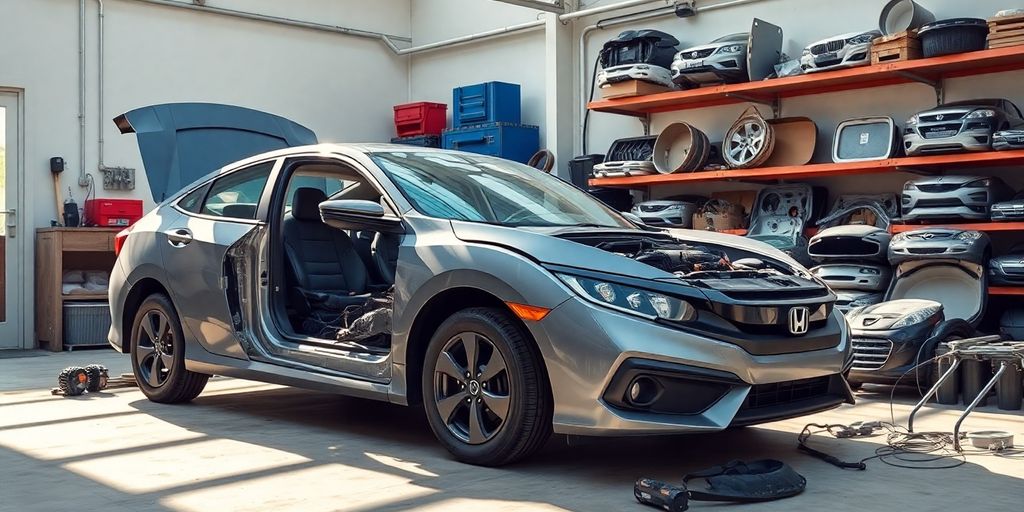
Buying used parts for your Honda Civic can really stretch your budget. Think about it, a brand-new alternator might cost you a pretty penny, but a salvaged one from a reputable wrecker could be a fraction of that price. We’re talking potential savings of 40% to 70% compared to new Original Equipment Manufacturer (OEM) parts. This makes keeping your Civic on the road much more affordable, especially if you’re dealing with older models where new parts are getting harder to find anyway.
The Eco-Friendly Impact of Auto Recycling
When you choose to get parts from a wrecker, you’re doing more than just saving money; you’re also helping the planet. Auto recycling is a big part of the circular economy. Instead of manufacturing new parts, which uses up resources and energy, you’re giving perfectly good components a second life. This process reduces the amount of waste going into landfills and cuts down on the need to extract raw materials. It’s a responsible way to handle end-of-life vehicles, making sure that usable bits and pieces don’t just get thrown away.
Auto wreckers are key players in making sure vehicles are handled responsibly when they’re no longer drivable. They take apart cars, pull out the parts that still work, and then make sure the rest gets recycled properly. This whole system means less junk in the ground and more materials being reused, which is a win-win for everyone.
Ensuring OEM Compatibility and Vehicle Integrity
One of the big pluses of getting used parts from a specialized Honda Civic wrecker is that you’re usually getting genuine OEM parts. Unlike aftermarket parts, which can sometimes be a gamble in terms of fit and quality, OEM parts are made specifically for your Honda. This means they’ll fit correctly without a fuss and are less likely to cause issues with your car’s computer systems or other components. It helps maintain the original integrity of your vehicle, which is especially important if you’re trying to keep your Civic running just like it did when it first rolled off the assembly line.
Tips for a Successful Parts Acquisition
Scoring the right Honda Civic part from a wrecker isn’t magic. It comes down to precise details, clear proof of condition, and knowing the fine print before money changes hands. Miss one of those, and you can end up waiting on returns and paying to ship a part twice. No one wants that.
Communicating Specific Vehicle and Part Details
Your VIN is the anchor, but it’s not the whole story. Share the build month and year, engine code (like R18, K20Z3, or L15), transmission type, body style, and trim level. If the car has options such as Honda Sensing, heated seats, a premium audio unit, or factory fog lights, say so. Paint code matters for body panels and mirrors; interior trim codes help match seat material and dash shades that look similar until they don’t. Part numbers from your old component or a clear photo of the label or casting stamp speeds up matching and cuts guesswork. If the car has mods—aftermarket intake, swapped cluster, or a non-stock stereo—mention it upfront so the seller can flag compatibility traps. I’ve skipped a trim code before and got a “close-enough” gray that wasn’t close at all, and returning it felt like a second job.
Requesting Visual Documentation and Inspection
Always request clear, well-lit photos of every mounting point and connector before you pay. Ask for close-ups where cracks hide: tabs on headlights, bumper corners, mirror bases, and interior clip points. For electronics, a photo of the plug face and pin layout avoids wrong-connector surprises. Engines and transmissions warrant more proof: cold-start video, a quick idle shot, evidence of clean fluid, and any visible casting numbers. Compression figures per cylinder help you predict remaining life; even a simple bench test video for alternators, starters, and window switches tells you more than a sales note ever will. If the part has a date stamp or supplier code, get that too—small changes within the same model year can still break a swap.
Understanding Warranties and Return Policies
Read the policy before committing, not after a box lands on your porch. Mechanical items often come with a start-up warranty that expects new fluids, filters, and seals, plus install proof. Electrical parts can have shorter coverage or be no-returns unless tested on video. Ask when the clock starts, what’s excluded, and how claims work. Labor is rarely covered, so protect yourself with photos during install and a quick first-start clip. If there’s a core charge on items like alternators, ABS pumps, or racks, confirm the return steps and deadlines so your refund doesn’t vanish.
| Policy item | Typical range | What to verify |
|---|---|---|
| Warranty length | 30–90 days | Start date, what’s excluded, proof required |
| Restocking fee | 10–25% | When it applies, condition on return |
| Core charge | $25–$300 | Which parts need cores, return deadline |
| Return window | 7–30 days | RMA process, packaging rules |
| Shipping insurance | Included or optional | Who files claims, damage photo rules |
| Testing proof | Compression PSI, bench-test video | What evidence they accept |
Keep a short unboxing and first-test video; it makes claims faster and settles most arguments on the spot.
Wrapping Up Your Honda Civic Parts Search
So, when you’re hunting for those hard-to-find parts for your Honda Civic, remember that specialized wreckers are your best bet. They really know their stuff when it comes to Hondas, meaning you’re more likely to get the right piece the first time. Plus, you’re saving money and doing a good thing for the planet by reusing parts. Take your time, ask questions, and check the part’s condition before you buy. It’ll make fixing up your Civic a whole lot smoother.