Key Takeaways
Identifying a reliable replacement for vehicle components requires specific knowledge of your model’s technical specifications and the local supply chain. These points outline the essential steps for finding quality parts efficiently.
- Match your replacement part using your vehicle identification number.
- Differentiate clearly between manual and automatic transmission requirements.
- Check the year-range compatibility for specific series.
- Evaluate the history and feedback of local salvage providers.
- Confirm warranty coverage and documentation before finalizing a purchase.
Evaluating your Honda transmission needs
Finding the right spare part begins with a solid understanding of your own vehicle. A common error involves selecting a component that looks identical but functions differently due to internal variations in factory specifications. Focusing on technical data prevents costly mistakes and ensures the part fits seamlessly upon arrival.
Matching part numbers to your VIN
Every vehicle carries a unique identification code that locks down the exact specifications for your engine and drivetrain. You should locate this code on your registration or the metal plate in the engine bay. Searching by this number ensures the specific Honda Accord or Civic transmission you source originates from a compatible build sequence rather than a vaguely similar model year.
Distinguishing between manual and automatic requirements
It might seem obvious, but manual and automatic gearboxes require entirely different hardware setups, including separate clutch assemblies and electronic control modules. You must confirm the transmission type matches your current configuration. Installing an incompatible system will cause failures that modern control computers cannot correct.
Assessing year-range compatibility for your vehicle
Manufacturers often change mounting points or plug interfaces mid-production cycle. Checking whether a replacement part functions across your specific vehicle’s model generation remains critical. A component pulled from a donor car built in one year might lack the internal sensors or wiring harness adjustments found in a version built just twelve months later.
Identifying reputable wreckers in Mount Gambier
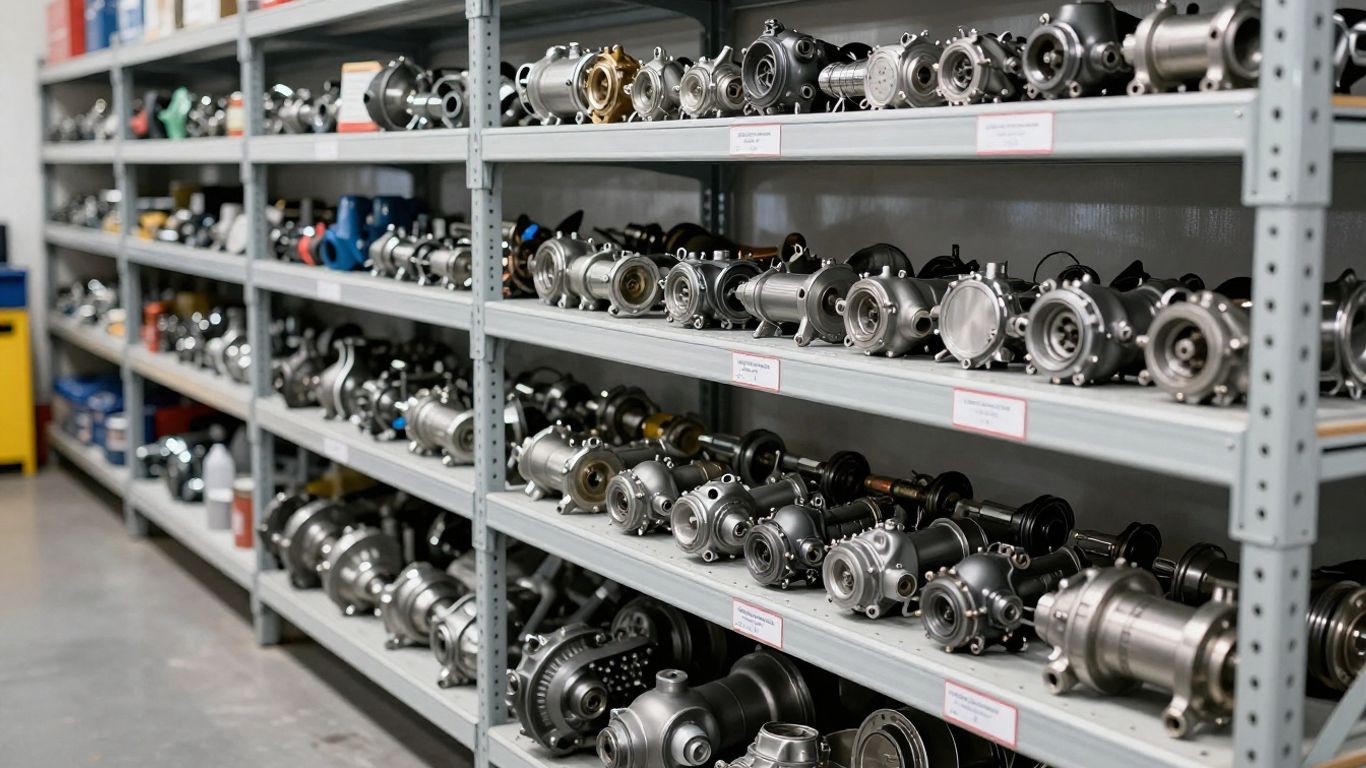
Once you know exactly which part you need, the next phase involves narrowing the field of local suppliers within the Limestone Coast. Successful sourcing relies on finding established operators who maintain organized yards and transparency about their storage conditions.
Reviewing local business history and customer reputation
Look for providers who have operated in the region for several years, as longevity often points to consistent service standards. Discuss your requirements with other local mechanics who frequent these yards to learn which businesses maintain high quality-control standards for their recovered Honda units.
Accessing inventory databases of regional parts providers
Many modern salvage yards maintain digital archives of their stock. Using these online catalogs often provides a faster way to verify availability before arriving in person. While databases prove helpful, you should always follow up with a phone call to confirm the physical condition of the item currently in stock.
Comparing local stock against broader South Australian salvage yards
If local options are limited, you may need to look toward larger urban centers. Many wreckers coordinate with broader networks across the state, allowing them to pull parts from more diverse sources while keeping delivery logistics manageable. Compare the final landed costs of regional versus city-sourced parts to find the most economical route.
Understanding the pricing of used transmissions
Navigating the costs of secondary parts requires balancing upfront savings against potential long-term expenses. Understanding how various factors shift the market rate for used gearboxes helps you identify when a deal offers genuine value.
Factors influencing the market value of used gearboxes
Several variables determine the asking price for a salvaged transmission, including the complexity of the unit and the rarity of the donor vehicle. A transmission salvaged from a well-maintained Honda CR-V that has low mileage will naturally carry a higher value than one with unknown historical integrity or excessive wear.
Identifying competitive price points in the Limestone Coast region
Establishing a baseline for fair pricing helps you recognize when an offer is reasonable for the local market. Below is a breakdown of estimated cost adjustments based on common salvage conditions found in the region.
| Condition Class | Estimated Value Range | Inclusion Details |
|---|---|---|
| Tier A: Tested Low KM | High End | Includes full history report |
| Tier B: Standard Wear | Mid Range | Includes short-term warranty |
| Tier C: As-is Salvage | Low End | No functional guarantee |
Using these tiers as a baseline, you can negotiate effectively. Remember that the lowest ticket price is not always the best outcome if it implies a lack of testing or documentation.
Factoring in hidden costs like salvage fees and transport
When evaluating a purchase, you should calculate the total amount including freight, potential cleaning fees, or specialized handling for bulky items. Unexpected costs can quickly erode the savings of a cheaper unit, so get a comprehensive quote before committing.
Inspecting hardware before purchase
Before you hand over your payment, you must verify the physical state of the hardware. Even a well-intentioned seller might overlook internal issues, which is why your own assessment provides the most reliable safety measure for your investment.
Visual checks for external damage or fluid leaks
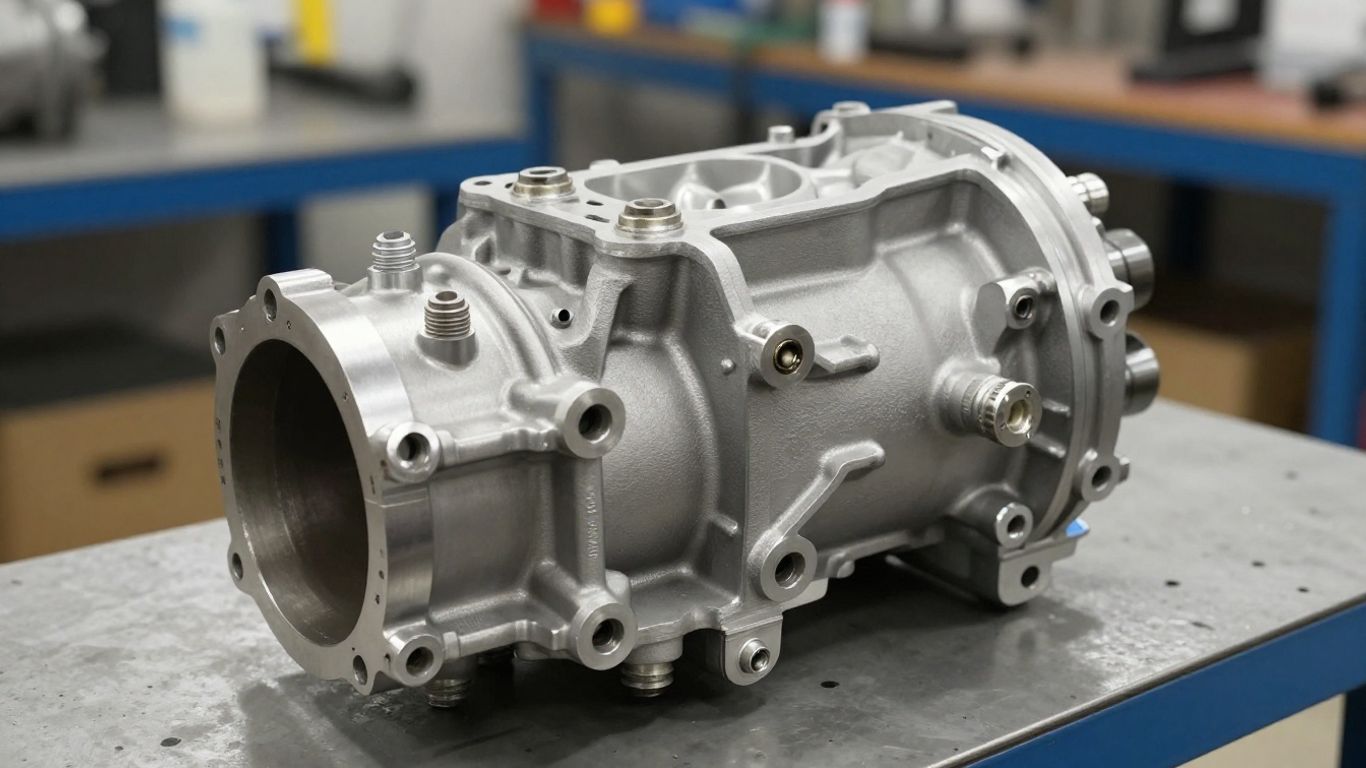
Inspect the transmission casing for any hairline cracks or deep gouges that suggest an accidental impact. Furthermore, check the seals and gaskets for signs of wet oil residue, which indicates that the internal pressure management might be compromised or that the unit sat in poor storage conditions.
Verifying the odometer reading of the donor vehicle
Ask for the donor vehicle’s history to confirm how many kilometers the gear set has traveled. A lower reading generally suggests less gear fatigue, though you must consider how well that previous vehicle was maintained throughout its service life.
Requesting diagnostic reports or functional testing data
Sophisticated salvage operations often perform basic diagnostic scans before removing a transmission. Asking to see any functional logs allows you to make an informed choice based on previous performance rather than guessing based on appearance alone.
Always verify that the transmission shift points and sensor response times are within the expected manufacturer range provided in the technical service manual. Establishing these baseline parameters ensures that your mechanic has the correct electrical blueprint for the installation process.
After you receive these reports, ensure they are dated recently to reflect the current state of the hardware sitting on the shelf.
Logistics of delivery and installation
Moving a heavy transmission requires careful coordination to avoid damaging the unit during transit. Whether you manage the transport yourself or hire a professional, the focus should remain on maintaining the safety of the delicate internal components.
Coordinating pickup or local delivery in Mount Gambier
Talk to the parts supplier about their preference for handling heavy freight. Some specialize in direct courier services, while others might require you or your mechanic to provide a pallet and forklift-capable vehicle for secure pickup at their premises.
Evaluating the cost-effectiveness of freight versus local collection
Local collection often allows you to inspect the item on-site, which provides peace of mind. Conversely, professional freight companies have better insurance coverage for damage. Weigh the price of fuel and time against the reliability of a commercial courier to decide the best path for your specific situation.
Sourcing a certified mechanic for transmission replacement
Replacing a transmission is a significant mechanical undertaking. Ensure you select a workshop that has specific experience with your vehicle type. A certified shop will possess the specialized tools required to calibrate the transmission to your engine computer, ensuring the car operates as intended from the first drive.
Warranty and return policies for second-hand parts
Even with the most careful inspection, secondary parts remain an uncertainty. Clear warranty documentation protects you if a fundamental flaw appears after the unit is installed and put under load.
Distinguishing between startup and long-term limited warranties
A startup warranty covers you if the unit fails immediately upon being started for the first time. Meanwhile, long-term limited warranties typically extend for a few months, covering manufacturing defects that might take a few hundred kilometers to surface under real-world usage.
Navigating standard return procedures if a part fails testing
Confirm if the dealer requires the return of the original part before issuing a refund or sending a replacement. Understand the policy on shipping costs, as returning a faulty heavy-duty transmission can sometimes become an expensive complication if not agreed upon in writing beforehand.
Documentation requirements for valid warranty claims
Maintain every receipt, photo of the odometer, and the installation record from your certified mechanic. Providers often invalidate claims if you cannot prove that a qualified professional performed the installation or if the required new fluids were not used during the setup process.
Conclusion
Finding Used Honda transmissions Mount Gambier – competitive prices is entirely achievable when you prioritize technical compatibility and thorough physical vetting. By combining local research with a disciplined inspection process, you secure a reliable part that returns your vehicle to the road effectively while managing your budget constraints.