Key Takeaways
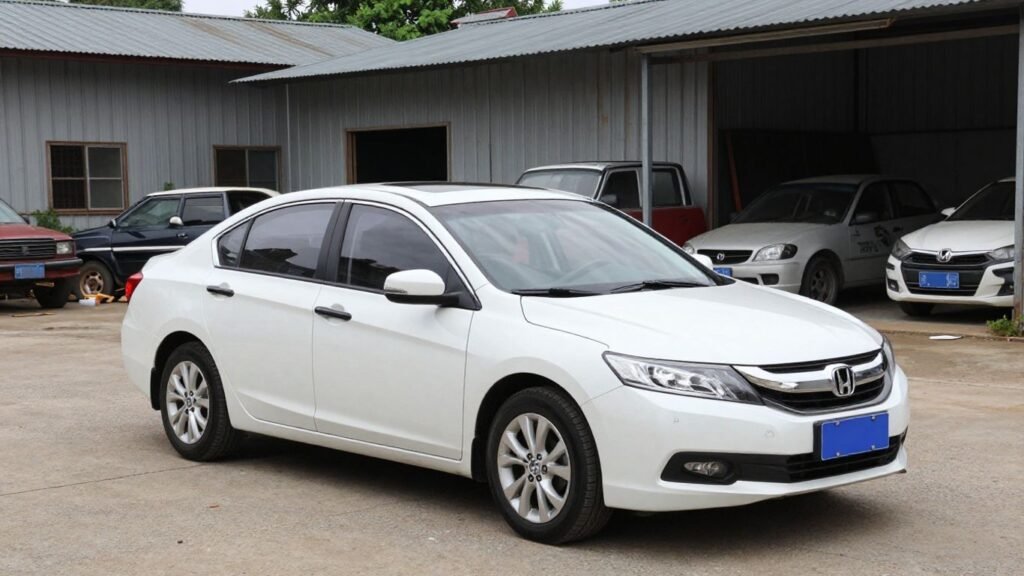
Finding quality components for your vehicle involves understanding the local market resources and verifying part condition before purchase. This guide explores how to source parts effectively while ensuring build compatibility and long-term reliability.
- Understanding the financial and environmental advantages of choosing recycled components.
- Identifying reputable local wrecking businesses through transparent history and compliance standards.
- Conducting thorough physical and technical inspections of every potential part.
- Avoiding common mistakes by verifying VIN specifications and part numbers.
- Recognizing the importance of clear warranty terms and documentation.
Why choose second hand parts for your Honda Accord
Opting for recycled vehicle components offers a practical approach for maintaining older vehicles without breaking your budget. When you source these items through established providers, you often get access to high-quality parts that retain their performance value. Choosing this route supports cost-effective repair solutions while keeping perfectly functional items out of landfills.
Cost efficiency compared to dealership pricing
Visiting a dealership for new components frequently results in significant expense, especially for older vehicle generations. Second-hand market prices allow owners to perform essential maintenance at a fraction of the cost, making it easier to keep a car on the road for longer periods.
Availability of discontinued or hard-to-find components
Auto manufacturers eventually stop production of specific parts for older models, making them nearly impossible to find new. Salvage yards are often the only reliable places to locate these rare items, as they stock a wide variety of model years and trim versions.
The environmental benefits of automotive recycling
Maximizing the lifespan of existing car parts significantly lowers the demand for raw material extraction and manufacturing processes. Redirecting these metal and plastic components back into circulation highlights the sustainable practice of automotive recycling.
How to identify reliable wreckers in Toowoomba
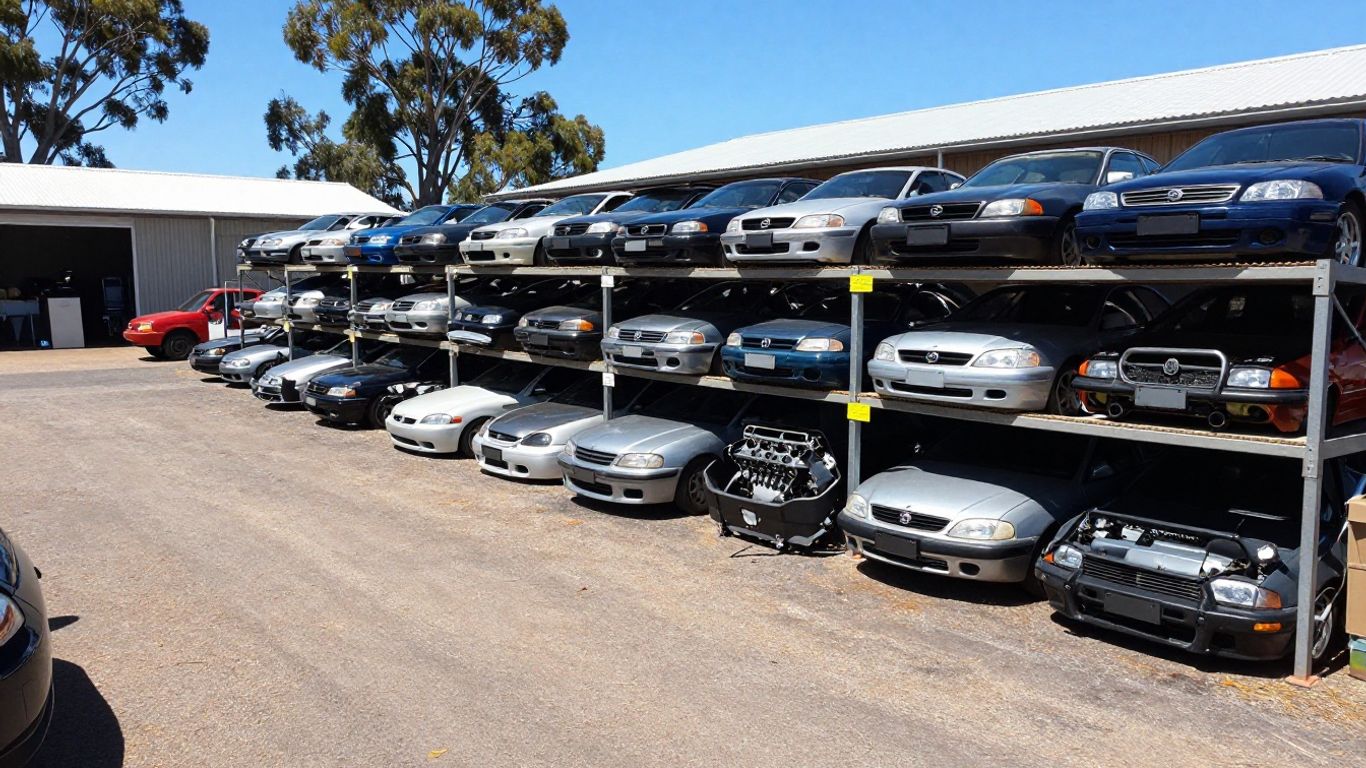
Finding a dependable service provider in Toowoomba requires looking for established businesses with long-term local operations. You want to prioritize yards that maintain professional standards and clear communication throughout the purchasing process. Engaging with experienced teams like Anzac Avenue Wreckers helps ensure that you receive proper support during your search for specific Honda Accord components.
Checking business reputation and customer reviews
Reviewing past experiences from other car owners provides helpful insight into the quality of service a wrecker delivers. A consistently positive track record in the local area is a strong indicator of a trustworthy business that values its customers.
Verifying licensure and environmental compliance
Reputable facilities demonstrate commitment to local regulations by holding proper licenses for vehicle dismantling. Dealing with a compliant business ensures that hazardous fluids and materials are handled correctly in accordance with environmental standards.
Assessing the inventory depth for specific Accord generations
Not every yard specializes in every make or model, so it is beneficial to check if a provider regularly stocks the generation of Accord you drive. Specialists like the Honda Wreckers Brisbane team or other local experts often maintain broader inventories tailored to specific Japanese imports.
Evaluating the condition of used Honda Accord components
Knowing how to check the quality of parts before handing over your money prevents frustration later. Whether you are dealing with body panels or mechanical systems, a careful assessment is the best insurance against buying failing equipment. Take the time to ensure that salvaged items are free from irreparable damage.
Inspection tips for structural body parts
Focus on checking for signs of prior accident damage, such as misaligned mounting points or hidden bends in the metal. It is helpful to compare the panel against known dimensions to ensure it will fit your vehicle chassis without requiring heavy modification.
Testing mechanical and electrical systems before purchase
If the part provides electrical input or mechanical power, inquire about its operational status before finalization. Reputable yards often perform basic testing on starter motors or alternators to verify they are still functioning correctly before listing them for sale.
Understanding the grading systems used by wreckers
Many yards classify components based on their age, condition, and total mileage recorded at the time of arrival. Recognizing these standards helps you accurately judge if a part meets your durability expectations for daily use.
Common pitfalls when buying dismantled car parts
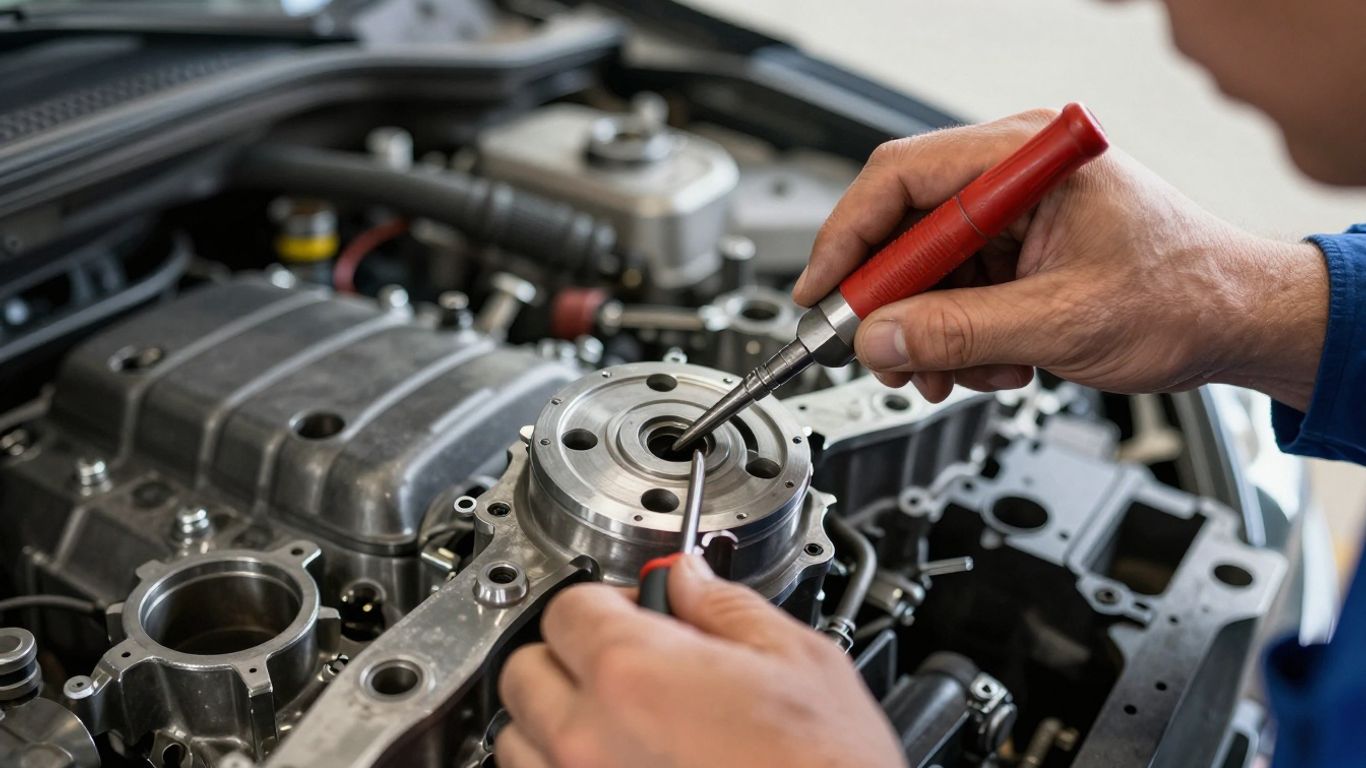
Running into issues when sourcing used parts is common if one rushes through the process without verifying the exact needs of their project. Taking a methodical approach minimizes the risk of purchasing items that are incompatible or past their useful life. Big players like the King auto group often provide resources to help owners verify the correct items, but the responsibility for checking remains with the purchaser.
Avoiding parts with hidden wear or corrosion
Even parts that look good on the surface may hide deeper damage from oxidation or heavy usage. Look closely at joints, bolts, and connector housings to ensure there is no significant structural degradation that would threaten the integrity of the part.
Matching part numbers to ensure build compatibility
Never assume that a part from a similar-looking model will fit your specific trim level. Confirm matching manufacturer part numbers to guarantee a seamless installation and avoid the hassle of returning a component that does not align with your existing assembly.
The importance of cross-referencing VIN specifications
Always have your Vehicle Identification Number ready to confirm the specific build date and factory options of your car. Using this data allows you to cross-reference your requirements precisely with what the salvage yard has on its shelves.
Navigating warranty and return policies for second hand parts
Understanding your consumer rights regarding salvaged goods is a core part of the transaction process. Before finalizing a purchase, make sure you receive a clear explanation of what protection you are offered if the component proves faulty upon installation. Detailed documentation saves time and prevents confusion later on.
Differentiating between as-is sales and guaranteed parts
Some items are sold strictly as non-refundable projects while others come with a limited test period. You should clarify these terms ahead of the sale to avoid misunderstandings.
What to include in your purchase agreement
The following items should be present on your final sales document to ensure you have recourse in case of a problem.
| Item Type | Necessary Detail |
|---|---|
| Receipt Info | Date of purchase and amount paid |
| Part Details | Accurate part number and vehicle year |
| Warranty Terms | Explicit coverage window or limitations |
Following these steps ensures that you have a written record of the transaction. A clear receipt provides the peace of mind that your purchase is protected under the agreed-upon conditions defined by the local yard.
Handling logistical issues with faulty or wrong items
When a part arrives and does not meet the specified functional criteria, it is essential to contact the seller immediately to report the discrepancy.
Promptly addressing a logistical error allows the business to rectify the situation, perhaps by providing a suitable replacement or offering a refund. Keeping all original labels and packing materials helps in the resolution process if a return is necessary.
Tips for streamlining your search with local salvage yards
Efficiently navigating the supply of Honda Accord wreckers Toowoomba – second hand parts requires some basic preparation. By having all your specific details documented and knowing where to look first, you save both time and effort. Using tools that provide real-time updates on vehicle arrivals makes the search far more productive.
Using online inventory lookup tools
Most modern salvage yards maintain digital catalogs that track stock changes immediately. Checking these tools online before driving out saves you from visiting a yard that may not have the specific item you need.
Preparing necessary details like year, model, and trim level
Keep a small notepad entry with your car’s exact production year, specific engine code, and sub-model details. Having this information ready allows staff to quickly search their databases, providing you with a definitive "in stock" or "out of stock" answer.
Negotiating prices for bulk purchases or bundled components
If your repair requires several related items, it is often worth asking about bundled or bulk pricing. Yards are occasionally willing to adjust the final total when selling multiple items together, which can further reduce the overall cost of your project.
Conclusion
Successfully sourcing parts for an older vehicle in Toowoomba is entirely feasible with a bit of research and a focus on quality. By verifying part compatibility, understanding your warranty rights, and maintaining clear records, you can confidently repair your car while enjoying the practical benefits of the recycled automotive market.