Key Takeaways
Finding a dependable replacement part for your car involves careful research and a focus on proven quality. Use this guide to navigate the local market effectively.
- Understand your specific vehicle drivetrain requirements before searching.
- Matching exact OEM part numbers is vital for mechanical compatibility.
- Professional testing adds a layer of security that private sales lack.
- A comprehensive warranty protects your investment against unforeseen defects.
- Careful physical inspection is the final safeguard before installation occurs.
Understanding your Honda transmission needs
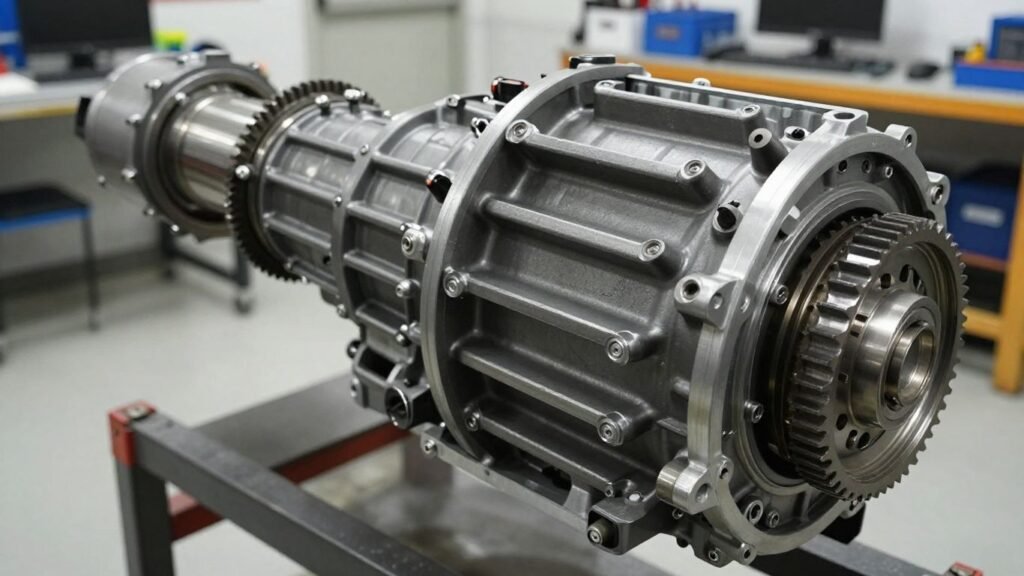
When your vehicle encounters shifting issues, the first step is to clarify what component your specific car requires. Different models utilize unique engineering that must match perfectly to ensure performance and longevity. Taking a moment to document your vehicle details simplifies the procurement process significantly.
Identifying your specific Honda model and transmission type
Your vehicle might be equipped with a standard automatic, a specific Honda Civic CVT transmission, or a manual unit depending on the year of manufacture. You must identify the drivetrain family, as parts are rarely interchangeable across different engine configurations or model years. Knowing the precise sub-model helps you narrow down potential inventory with greater focus.
The importance of matching OEM part numbers
Every gearbox carries an identification stamp that defines its internal ratios and electronic control modules. Relying on visual similarity is an error that often leads to compatibility failures and expensive rework. Always verify the stamping on your current unit to ensure the replacement aligns with your vehicle’s electronic architecture, maintaining the intended engineering standards of the original powertrain.
Signs your current gearbox requires a replacement
Ignoring early symptoms often leads to catastrophic failure during daily operation. Common indicators include persistent gear slipping, noticeable delays in engagement, or strange noises that grow louder under load. If your Honda CR-V automatic gearbox displays burning fluid smells or metallic debris in the oil, it is a clear sign that terminal mechanical fatigue has set in and replacement is necessary.
Why choose tested and warranted used parts
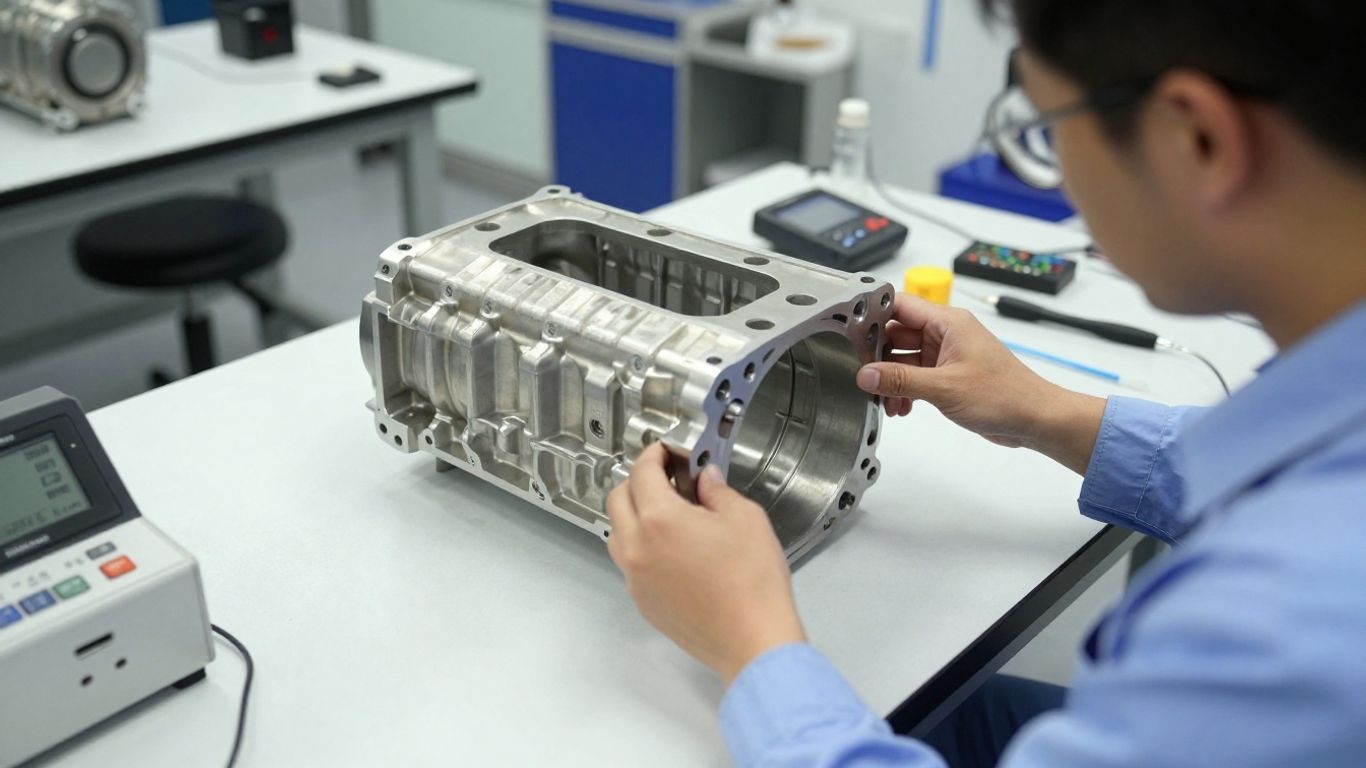
Choosing components that have undergone rigorous evaluation provides a significant advantage over blindly purchasing from unknown sources. Professionals who test their inventory offer a level of assurance that the mechanical integrity has been verified. When you prioritize a reliable shifting experience for your commute, opting for pre-inspected inventory becomes the most logical path forward.
How professional testing protocols ensure reliability
Reputable suppliers utilize specialized diagnostic tools to check sensor response and gear engagement under simulated driving loads. This process separates salvageable units from those suffering from internal hydraulic or friction plate wear. These protocols ensure the internal valve bodies and gear sets are functional before the hardware ever reaches your mechanic.
The security of a comprehensive warranty
Warranty coverage acts as a financial buffer, offering recourse if a hidden defect emerges despite initial quality verification. A formal agreement usually covers the internal mechanical components for a set period, which is essential for used parts. Secure in the knowledge that your purchase is backed, you can proceed with confidence, knowing the supplier supports their technical assessment.
Evaluating the cost-effectiveness against rebuilt or new units
Comparing the financial investment of various transmission solutions allows you to make an informed decision based on the vehicle’s remaining lifespan. The following breakdown illustrates the general positioning of these options regarding expenditure and performance reliability.
| Option Type | Expected Cost | Reliability Level | Warranty Duration |
|---|---|---|---|
| New Factory Unit | Maximum | Excellent | Extended |
| Rebuilt Gearbox | Moderate | High | Moderate |
| Tested Used Unit | Lower | Good | Short-term |
Selecting a tested used unit often represents the optimal balance for older vehicles where a new unit would exceed the car’s market value. By balancing these factors, you ensure your Honda Accord automatic powertrain returns to operation without overextending your financial resources.
Sourcing high-quality gearboxes in the Gold Coast region
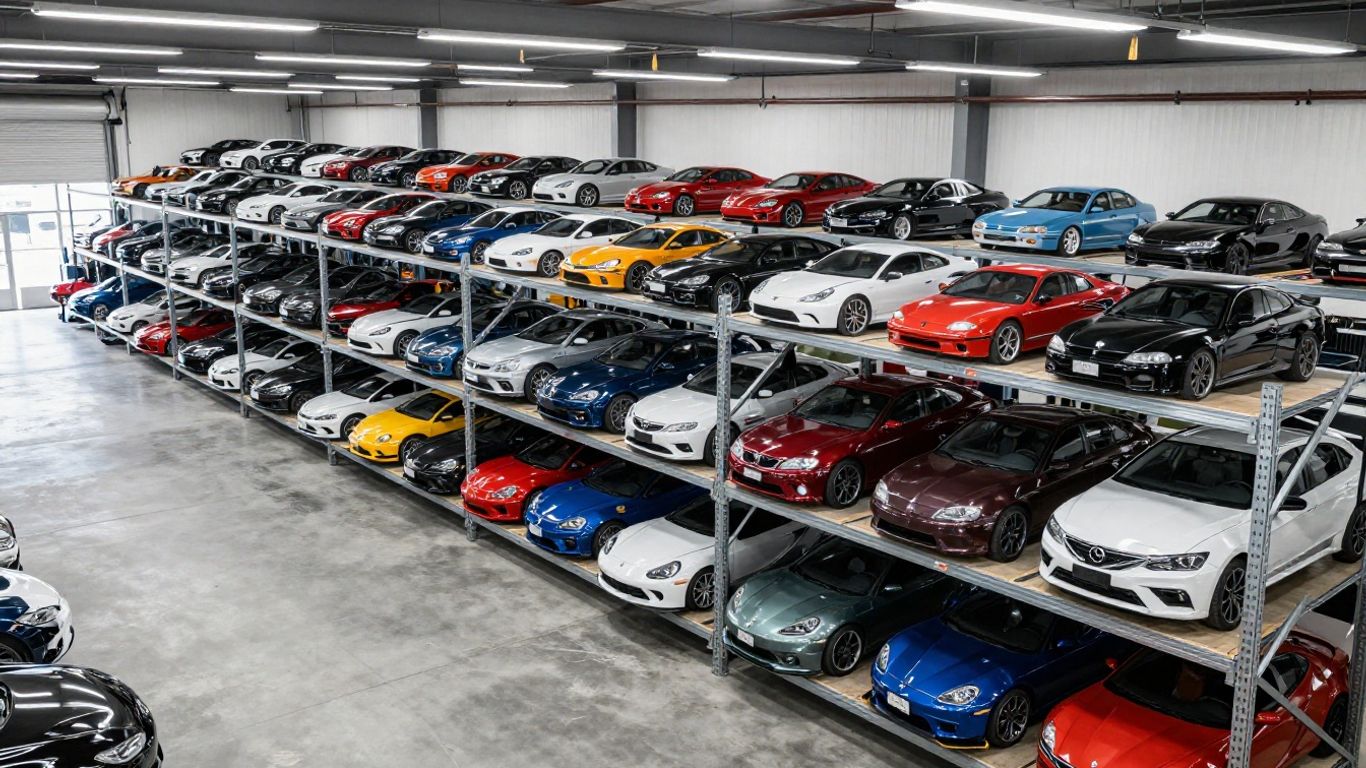
Navigating the local landscape requires reaching out to suppliers who prioritize clean, indexed inventory over unorganized scrap heaps. The Gold Coast offers established automotive specialists who understand the nuance of modern drivelines. Building a connection with a knowledgeable supplier often provides access to better service and more verified information regarding part history.
Locating reputable wreckers and parts specialists locally
Searching for specialists who specifically handle imports means they are more likely to have a surplus of compatible gearboxes in stock. Verify their reputation through customer feedback and their general facility presentation, which often reflects their attention to detail. Local specialists are far more likely to provide accurate technical assistance during the procurement phase.
Verifying the salvage history and origin of the gearbox
Understanding where the gearbox originated provides context on its potential wear and exposure to harsh conditions. A unit salvaged from a vehicle with a documented service history is vastly more desirable than one from an unknown source. Ask the supplier about the donor vehicle’s mileage and the circumstances that led to the vehicle being decommissioned.
Assessing the transparency of local inventory listings
Communication is vital, and the best suppliers are those who provide clear, detailed reports regarding their available stock. Being transparent helps buyers make choices without feeling misled by vague product descriptions.
A quality inventory listing should clearly document the donor vehicle’s mileage and present a transparent overview of the unit’s overall mechanical condition. When suppliers remain open about the history and inspection results, they significantly lower the risk of failure for the end-user while fostering long-term trust.
This level of openness is the hallmark of a professional wrecker and indicates they take their role in your vehicle’s repair chain seriously. It allows you to filter through options based on facts rather than marketing claims.
Inspecting a used gearbox before final purchase
Checking for physical signs of wear and fluid leaks
External inspections often reveal critical flaws that would jeopardize a successful installation later in the process. Examine all seals for evidence of hardening or fluid weeping, as these indicate potential pressure issues. Clean, dry casing surfaces suggest the unit has been stored in a climate-controlled environment, which is highly preferable for sensitive internal components.
Reviewing maintenance records or service history
Even with a used unit, any documentation of oil changes or filter replacements points toward a well-maintained donor vehicle. Service records provide a look into how the previous owner cared for the transmission internals and fluid cleanliness. If a history is available, prioritize that unit over others to minimize the likelihood of operational surprises.
Requesting diagnostic reports from the supplier
Ask for any electronic scan data or pressure tests performed during the removal process to confirm there were no stored error codes. Diagnostic reports provide tangible evidence of the unit’s software interoperability and hydraulic pressure health. Having this data in hand before finalizing the payment phase provides a final checkpoint against any hidden electronic faults.
Installation and maintenance best practices
Choosing a certified mechanic for transmission swaps
Transmission replacement is a complex procedure that necessitates advanced technical knowledge to correctly align the mounting points and torque converters. Working with a certified professional ensures every bolt is tightened to factory specifications and all cooling lines are flushed. Choosing the right expertise prevents immediate post-installation failures that often occur due to improper mounting.
Essential fluid requirements for your replacement Honda unit
Modern transmissions are extremely sensitive to the specific viscosity and chemical additives found in manufacturer-approved fluids. Never substitute generic fluids, as this will lead to premature degradation of the friction materials and internal seals. Always use the grade specified by the manual for that precise generation of your vehicle.
Post-installation testing and observation periods
After clearing any computer codes triggered by the swap, a gradual test drive is vital to allow the transmission controller to relearn shift patterns. Observe the system for any irregular temperature shifts or hesitation in gear selection during the first few hundred miles. This initial observation period allows you to confirm that the new unit has integrated properly with the rest of the drivetrain.
Conclusion
Procuring a reliable replacement transmission requires a blend of mechanical diligence, intelligent sourcing, and proper professional installation. By focusing on tested units from reputable Gold Coast specialists and verifying the compatibility of your specific model, you can effectively restore your vehicle’s performance. Investing the time to inspect every detail now ensures the longevity and safety of your car for many miles ahead.