So, your Honda HRV needs some work on the drivetrain, specifically the differential or axles, and you’re looking around the Sunshine Coast? It can be a bit of a puzzle finding the right used parts. This guide is here to help you sort through the options for Used Honda HRV differentials and axles Sunshine Coast, making the process a little less confusing. We’ll cover what to look for and where to look, so you can get your car back on the road without too much hassle.
Key Takeaways
- When looking for used Honda HRV differentials on the Sunshine Coast, know the basic parts and what goes wrong with them.
- Finding the right used Honda HRV axles means knowing the different types and how to spot wear and tear.
- Always check if used parts will fit your specific HRV and look closely at their condition before buying.
- Sunshine Coast auto salvage yards can be good places to find parts, but it helps to know how to search and maybe haggle a bit.
- Getting good used parts for your differential and axles is important for your car’s overall drive system, and getting them checked by a pro is a good idea.
Locating Used Honda HRV Differentials on the Sunshine Coast
Understanding Differential Components
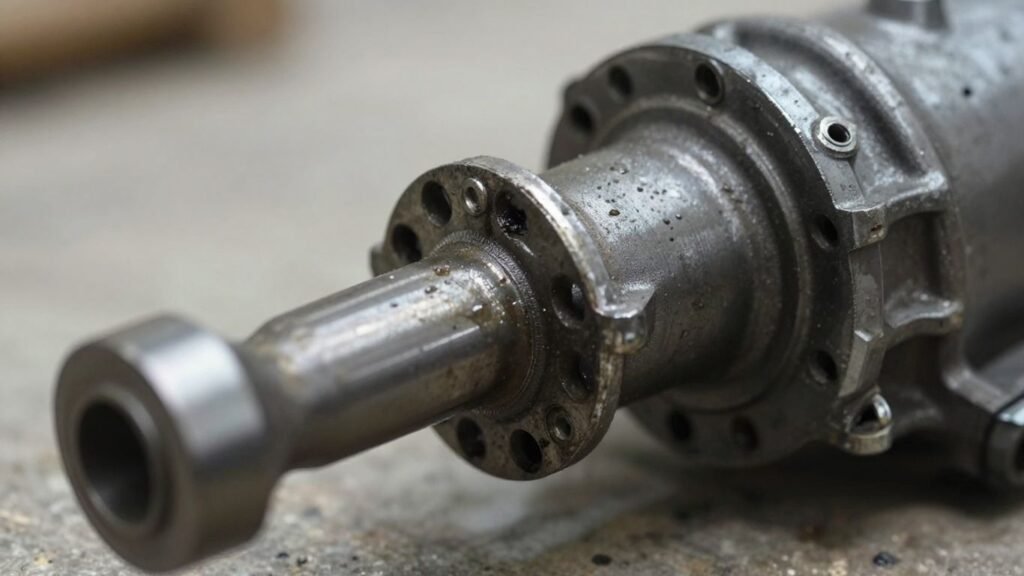
The differential is a pretty neat piece of engineering, really. It’s what allows your wheels to spin at different speeds when you’re turning. Think about it – the outside wheel has to travel further than the inside wheel on a corner, right? The differential makes that happen smoothly. It’s usually housed in a sturdy casing and contains a set of gears. The main parts you’ll find are the ring gear, pinion gear, spider gears, and side gears. All these bits work together to split the engine’s power between the drive wheels.
Common Issues with Honda HRV Differentials
Sometimes, these differentials can start acting up. A common sign is a whining or humming noise that gets louder as you speed up. You might also notice clunking sounds, especially when you shift gears or take off from a stop. If you’re experiencing vibrations or a feeling of looseness in the drivetrain, that’s another red flag. Leaks are also a problem; if you see oil dripping from the differential housing, it needs attention. Ignoring these symptoms can lead to more serious and expensive damage down the line.
It’s not uncommon for wear and tear to affect the internal gears over time. Regular maintenance, like checking and changing the differential fluid, can help prevent some of these issues, but sometimes parts just fail.
Finding Reputable Suppliers
When you need a replacement differential for your Honda HRV on the Sunshine Coast, you’ve got a few options. Your best bet is usually to check with local auto wreckers or salvage yards that specialize in Japanese vehicles. They often have a good stock of used parts and can tell you if they have an HRV differential available. Online marketplaces can also be a resource, but it’s always better to try and inspect the part in person if you can. Asking around at local mechanic shops might also point you in the right direction; they often know which yards have quality used parts.
Sourcing Used Honda HRV Axles for Your Vehicle
Identifying the Correct Axle Type
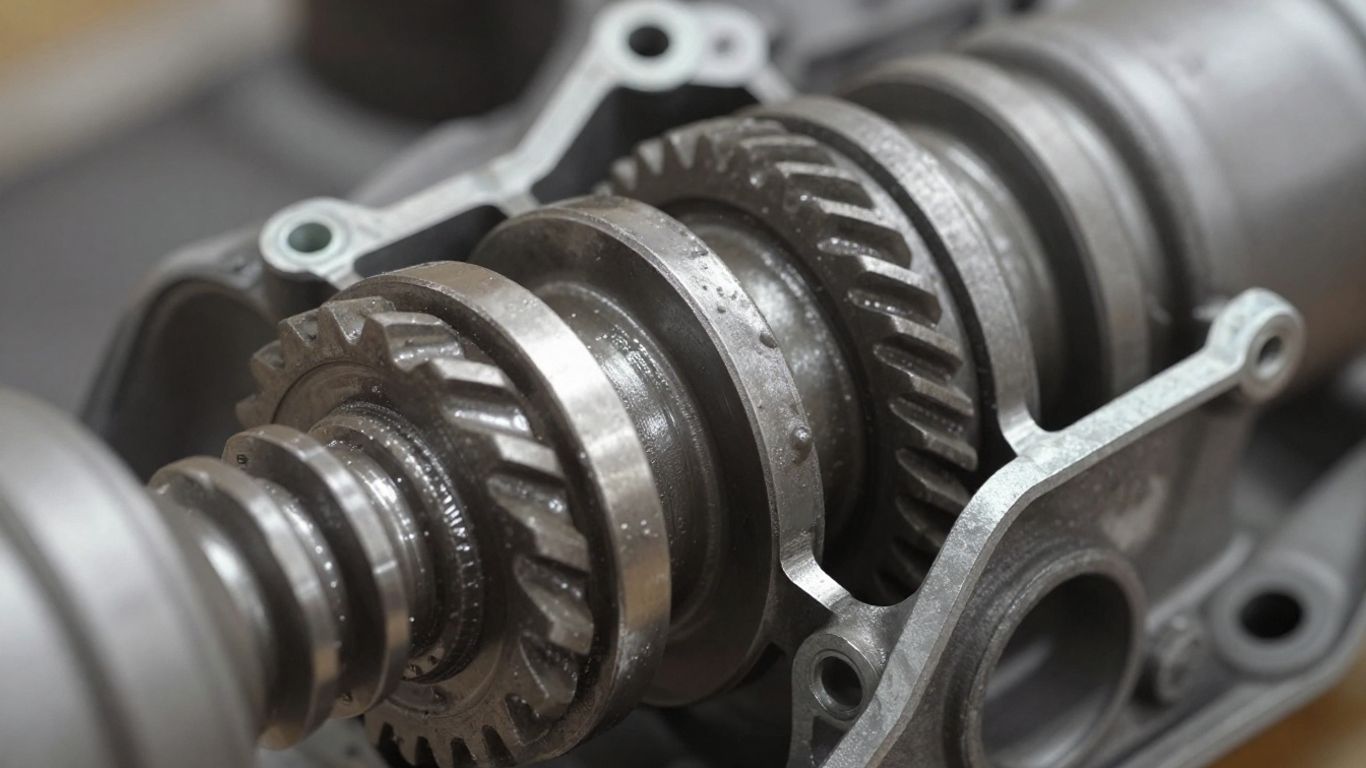
When you’re looking for a replacement axle for your Honda HR-V, the first thing you need to figure out is exactly which type you need. Honda HR-Vs, depending on the year and whether they’re front-wheel drive (FWD) or all-wheel drive (AWD), can have different axle setups. For FWD models, you’ll typically be looking for a CV axle shaft assembly. AWD models might have a slightly different configuration, sometimes involving a rear axle assembly or additional components. It’s super important to know your HR-V’s specific model year and drivetrain configuration. You can usually find this information on a sticker in your driver’s side doorjamb or in your owner’s manual. Getting the wrong axle means it just won’t fit, and that’s a headache nobody needs.
Signs of Axle Wear and Damage
So, how do you know if your HR-V’s axle is actually the problem? There are a few common signs. The most obvious one is a clicking or popping noise when you turn, especially at lower speeds. This usually means the CV joint at the end of the axle is worn out. You might also notice vibrations coming from the front or rear of the vehicle, particularly when you accelerate. Sometimes, you’ll see grease splattered around the inside of your wheel or on the undercarriage – that’s likely from a torn CV boot leaking the lubricating grease. A damaged CV boot is a major red flag because it lets dirt and water in, which quickly destroys the joint. If you’re experiencing any of these symptoms, it’s time to start looking for a replacement.
Where to Buy Sunshine Coast Axles
Finding used axles on the Sunshine Coast is usually done through local auto wreckers or salvage yards. These places often have a good selection of parts from vehicles that have been written off or are being dismantled. You can try calling around to a few different yards to see if they have an HR-V axle in stock for your specific year. Some yards also have websites or online catalogs where you can search for parts. Don’t forget to ask about any warranty or return policy they might offer, even on used parts. It gives you a bit of peace of mind.
When you’re hunting for used parts, especially something as important as an axle, it’s always a good idea to have the part number or a clear description of what you need. Taking a photo of the old part before you remove it can also be a lifesaver when you’re trying to match it up at the salvage yard.
Key Considerations When Buying Used Parts
So, you’re looking at used parts for your Honda HRV, huh? Smart move if you’re trying to save some cash. But before you hand over your money, there are a few things you really need to think about. It’s not just about grabbing the first thing you see. You’ve got to be a bit of a detective.
Checking Part Compatibility
This is super important. You can’t just assume a differential or axle from one HRV will fit another. There can be differences based on the year, the trim level, and even whether it’s front-wheel drive or all-wheel drive. Always double-check the part numbers and compare them to what your specific HRV needs. A quick search online or a call to a Honda dealer can save you a massive headache later. Don’t rely on the seller’s word alone; verify it yourself.
Assessing the Condition of Used Differentials
When you’re looking at a used differential, give it a good once-over. Look for any signs of leaks around the seals. Are there any cracks or damage to the housing? Spin the input shaft if you can – does it feel smooth, or is there grinding or excessive play? Check the fluid if it’s still in there; milky fluid can mean water got in, which isn’t good. A little bit of surface rust is usually fine, but anything that looks like it’s been through a war zone is probably best avoided.
Evaluating Axle Integrity
For axles, you’re looking for similar things. Check the CV boots – those rubbery covers at the ends. If they’re torn or cracked, dirt and water can get in, wrecking the joint. Give the axle shaft a shake. There shouldn’t be much play at the joints. Look for any bends or damage to the shaft itself. Sometimes, you can find a good deal on an axle with a torn boot, but you’ll need to factor in the cost of replacing that boot right away.
Buying used parts can be a great way to keep your car on the road without breaking the bank. However, it requires a bit of homework. Taking the time to confirm compatibility and thoroughly inspect the condition of the parts will make a big difference in the long run. It’s better to spend a little extra time now than a lot of extra money later.
Here’s a quick look at what to check:
| Part | What to Inspect |
|---|---|
| Differential | Housing for cracks, seal leaks, smooth input shaft. |
| Axle | CV boots for tears, shaft for bends, joint play. |
| Fluid | Check for milky appearance (water contamination). |
Navigating Sunshine Coast Auto Salvage Yards
What to Expect at Local Yards
Heading to a local auto salvage yard on the Sunshine Coast can feel a bit like a treasure hunt. You’re looking for specific parts for your Honda HRV, and these places are often packed with vehicles from different eras and makes. Don’t expect a perfectly organized showroom; it’s more about sifting through rows of cars and trucks. Most yards have a system where you either pull the part yourself or pay a fee for them to remove it. It’s a good idea to call ahead and ask about their policies and if they have any HRVs currently in stock. Having a list of the exact parts you need, along with their part numbers if possible, will make your search much easier.
Tips for Efficient Searching
To make your trip to the salvage yard productive, preparation is key. Before you go, try to get a good idea of what the differential or axle you need looks like. Take pictures of the parts on your own HRV if you can, or find diagrams online. Bring basic tools like sockets, wrenches, and maybe a pry bar, as you’ll likely be doing the removal yourself. Wear sturdy shoes and clothes you don’t mind getting dirty. Many yards have a search system online or staff who can help you locate specific vehicles, so don’t hesitate to ask. It’s also smart to check their inventory online before you visit if they offer that service.
Negotiating Prices for Used Parts
Prices at salvage yards can vary quite a bit. Some yards have fixed prices for common parts, while others are more open to negotiation, especially if you’re buying multiple items or if the part has been sitting for a while. Don’t be afraid to ask if the price is firm. If you find a part that’s a bit dirty or has minor surface rust, you might be able to get a discount. Always inspect the part thoroughly before agreeing on a price. Look for cracks, significant wear, or any signs of damage that might make it unsuitable for your HRV. Remember, the goal is to get a working part at a fair price.
Salvage yards are a fantastic resource for finding affordable replacement parts. While it might take a bit more effort than ordering new, the savings can be substantial. Just remember to be patient, do your homework, and inspect everything carefully before you hand over your cash. It’s a bit of a hands-on process, but often well worth the effort for budget-conscious repairs.
Ensuring Quality for Your Honda HRV Drivetrain
The Importance of a Functional Differential
A differential is pretty important for your Honda HRV. It’s what lets your wheels turn at different speeds when you’re going around a corner. Without a working one, you’d get a lot of tire scrubbing and strain on the drivetrain. When you’re looking at used parts, a differential needs to be in good shape. You don’t want one that’s been grinding away or leaking fluid. Checking for any play in the gears or signs of damage is a good first step. A quiet, smooth-operating differential is what you’re aiming for.
A worn-out differential can lead to more than just poor handling; it can cause further damage to other drivetrain components if left unchecked. It’s better to spend a little more on a decent used unit than to deal with a cascade of problems later.
Why Reliable Axles Matter
Axles are the rods that connect your differential to the wheels. They take all that power and send it where it needs to go. If an axle is bent, cracked, or has a worn-out CV joint, you’ll notice it. Think clunking noises, vibrations, or even a wheel that feels loose. Getting good quality used axles means your HRV will handle properly and safely. You need axles that can handle the torque without giving you grief.
Professional Inspection Recommendations
Even if you think you’ve found a great deal on a used differential or axle, it’s always a smart move to get a professional opinion. A mechanic can put the part on a lift and really check it out. They can spot things you might miss, like hairline cracks or internal wear. It’s a small cost that can save you a big headache down the road. They can also tell you if the part is likely to last.
| Component | Checkpoints |
|---|---|
| Differential | Gear wear, fluid leaks, bearing noise, housing damage |
| Axle | CV joint boots (tears), shaft straightness, splines |
| Universal Joints | Play, wear, lubrication |
Cost-Effective Solutions for Drivetrain Repairs
Benefits of Purchasing Used Parts
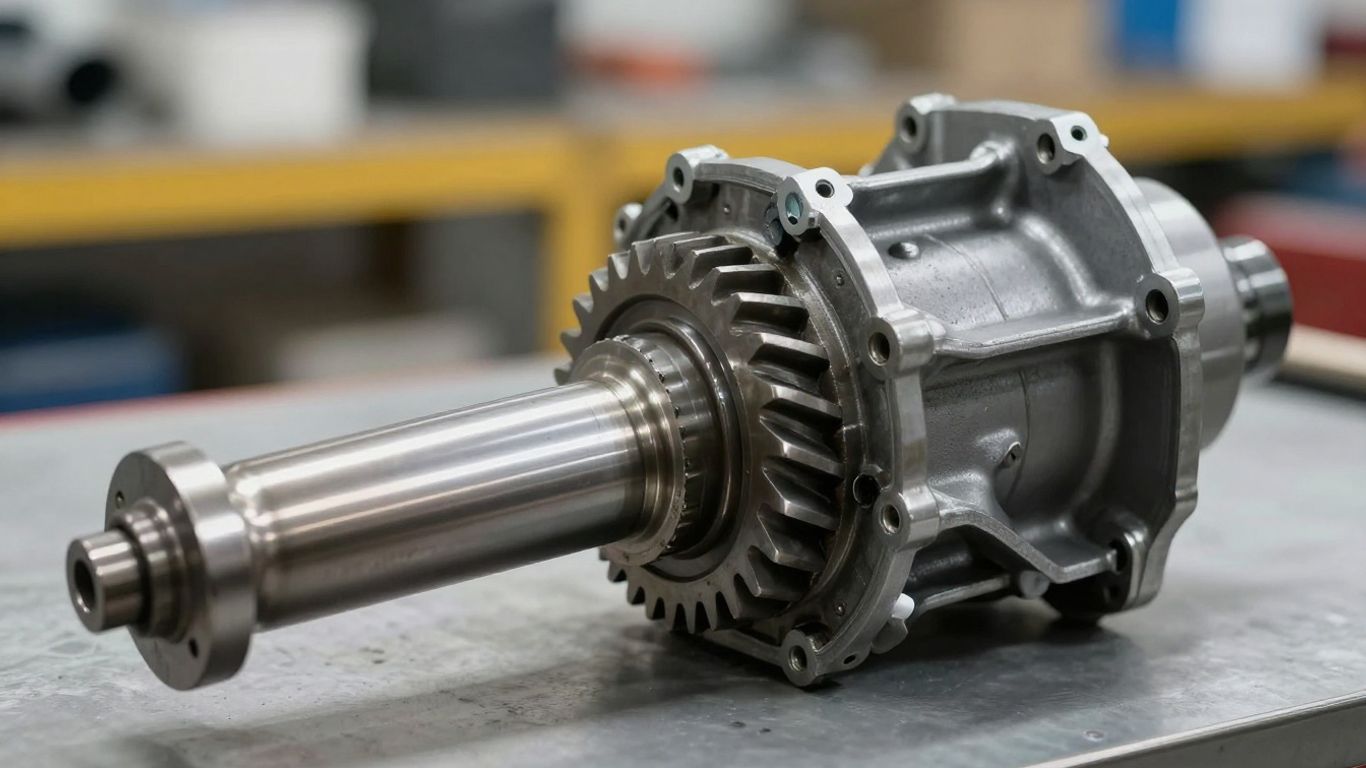
Look, nobody likes spending a ton of cash on car repairs, right? Especially when it’s something like a differential or an axle. These parts can really put a dent in your wallet if you’re buying brand new. That’s where the used market comes in. Buying used parts for your Honda HRV can save you a significant amount of money. Think about it – you’re getting a part that’s already done some work, but it’s still got plenty of life left in it, and at a fraction of the new price. It’s a smart way to get your vehicle back on the road without breaking the bank. Plus, it’s better for the environment, recycling parts instead of making new ones.
Budgeting for Drivetrain Replacements
When you’re facing a drivetrain issue, it’s easy to get overwhelmed by the potential costs. A good approach is to break it down. First, figure out exactly what you need – is it just the differential, or are the axles involved too? Then, start researching prices for both new and used options. Don’t forget to factor in labor costs if you’re not doing the work yourself. Sometimes, a slightly more expensive used part that’s in better shape can save you money in the long run by avoiding repeat repairs. It’s all about finding that sweet spot between cost and reliability.
| Part Type | New Price (Est.) | Used Price (Est.) | Savings (Est.) |
|---|---|---|---|
| Differential | $1200 – $2500 | $300 – $800 | $900 – $1700 |
| Axle (each) | $300 – $600 | $75 – $200 | $225 – $400 |
DIY vs. Professional Installation
This is a big one. If you’re handy with tools and have some experience, tackling a differential or axle replacement yourself can lead to some serious savings on labor. However, these are not simple jobs. They require specific tools, a good understanding of how the drivetrain works, and a safe place to work. If you’re not confident, or if you don’t have the right equipment, it’s often better to pay a professional. A botched DIY job can end up costing you more in the end due to damage or needing to have it fixed anyway.
Sometimes, the peace of mind that comes with having a qualified mechanic handle the job is worth the extra cost. They have the experience and tools to get it done right the first time, and often offer a warranty on their work.
Wrapping It Up
So, if you’re out on the Sunshine Coast and your Honda HR-V needs a new differential or axle, don’t sweat it too much. We’ve talked about where to look and what to keep in mind. Finding the right part might take a little digging, but it’s totally doable. Check out those local wreckers and online listings. Sometimes, you just get lucky and find exactly what you need without breaking the bank. Good luck with your search!