
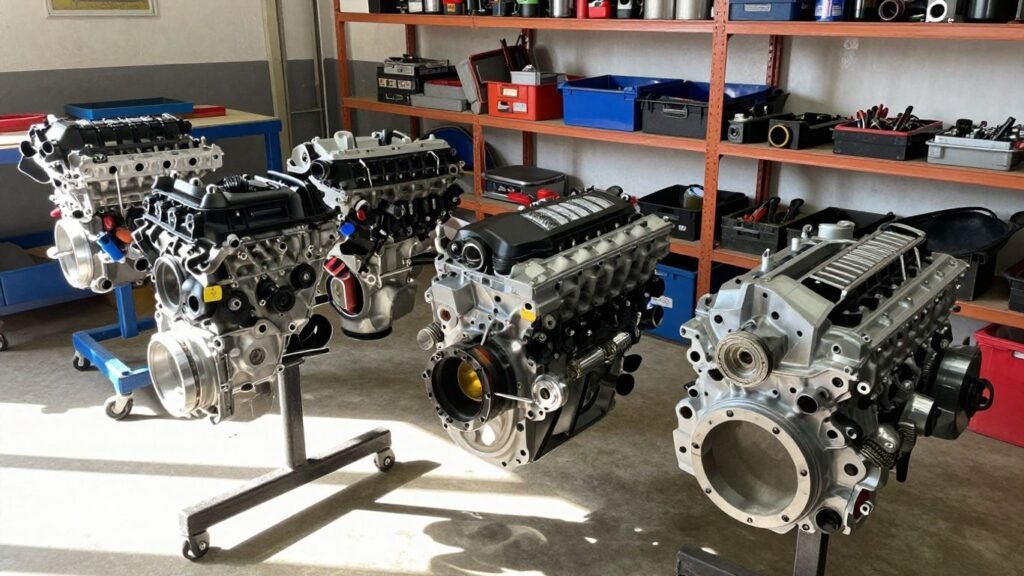
Looking for a used Honda engine in Melbourne? It can feel like a puzzle, right? You want something reliable without breaking the bank. This guide is here to help you sort through the options, whether you’re checking out local shops or browsing online. We’ll cover how to spot good deals, what to look out for, and how to make sure you’re getting a solid engine for your car.
Key Takeaways
- When buying used Honda engines in Melbourne, check dealer reputations and ask about warranties. Don’t be afraid to ask tough questions about the engine’s past.
- Make sure the engine you choose is compatible with your specific Honda model and year. Look into differences between engine models and whether parts are original or aftermarket.
- Always inspect the engine’s condition before buying. A pre-purchase check by a mechanic is a good idea. Watch out for warning signs and try to verify the engine’s service history and mileage.
- When shopping online for used Honda engines in Melbourne, stick to well-known platforms and be cautious of scams. Communicate clearly with sellers.
- Understand that even reliable Honda engines can have issues. Research common problems for your specific model, like timing belt versus chain differences, and typical faults in popular models like the CR-V, Civic, and Accord.
Trusted Dealerships Specializing in Used Honda Engines Melbourne
How to Identify Reputable Dealers
When you’re on the hunt for a used Honda engine in Melbourne, sticking with established dealerships can really cut down on the stress. Think about places that have been around for a while, maybe ones that focus specifically on Japanese car parts or even Honda specialists. A good sign is a dealer with a physical location you can visit, not just a P.O. box. They’re more likely to have a reputation to uphold. Look for online reviews, but take them with a grain of salt – sometimes the loudest voices aren’t the most accurate. Better yet, ask around. Chat with local mechanics; they often know which suppliers are reliable and which ones to avoid. A dealer who is upfront about their stock and happy to answer questions is usually a safe bet.
Key Questions to Ask
Don’t be shy when talking to a dealer. You’ve got a right to know what you’re buying. Start by asking about the engine’s origin. Was it a direct replacement, or from a wrecking yard? Get the specific engine code and mileage at the time of removal. Ask if the engine has been tested or if any basic checks were performed. It’s also smart to inquire about any known issues with that particular engine model or year. If they offer any kind of warranty, ask for the details in writing. Don’t forget to ask about their return policy, just in case something isn’t quite right when you get it home.
Dealer Warranties and Policies
This is where dealerships can really shine compared to private sellers. Many reputable dealers will offer some form of warranty on their used engines. This might be a short-term guarantee, like 30 or 90 days, covering major mechanical failures. Some might even offer extended options for an extra fee. It’s important to read the fine print on any warranty. What exactly is covered? What isn’t? Are there any conditions you need to meet, like having the engine installed by a certified mechanic? Understanding their policy on returns or exchanges is also key. If the engine turns out to be faulty, knowing their process for getting a replacement or a refund can save you a lot of hassle.
Buying from a dealer often means you get a bit more protection. They usually have established procedures for handling issues, and their business depends on repeat customers and a good name. While it might cost a little more upfront, that peace of mind can be well worth it, especially when dealing with a complex part like an engine.
| Engine Type | Typical Warranty Period | Installation Requirement |
|---|---|---|
| Used Honda Engine | 30-90 Days (Standard) | Varies by Dealer |
| Remanufactured Engine | 6-12 Months (Common) | Often Recommended |
Choosing the Right Used Honda Engine for Your Vehicle
Understanding Engine Compatibility
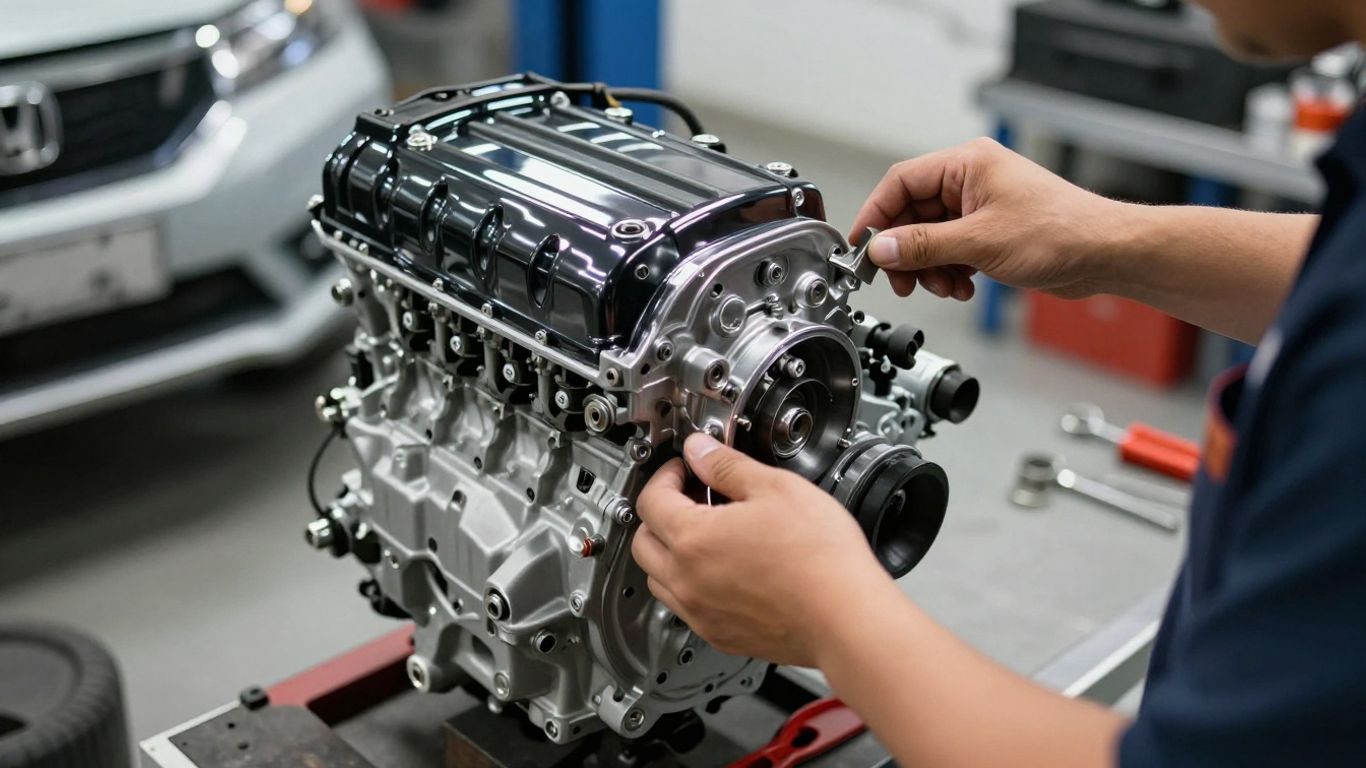
Finding the right used Honda engine means making sure it actually fits your car. It sounds obvious, but you’d be surprised how many people overlook this. You need to match the engine code and specifications precisely. A quick look at your car’s VIN (Vehicle Identification Number) and the existing engine block can tell you a lot. Don’t just assume an engine from a similar model will work; there can be subtle differences in mounts, wiring harnesses, and even exhaust systems that will cause headaches down the line. Always double-check the compatibility before you even think about buying.
Evaluating Engine Model and Year Differences
Honda has a long history, and their engines have evolved. For example, a K-series engine from a 2008 Civic isn’t the same as one from a 2015 Civic. There might be updates to fuel injection, emissions controls, or even internal components. You’ll want to research the specific engine codes for your car’s make, model, and year. Sometimes, a slightly newer or older engine might be a direct swap and offer improvements, but other times, it could require significant modifications. It’s worth looking into common swaps or known issues for the particular engine family you’re considering.
Original vs. Aftermarket Engine Parts
When you’re looking at a used engine, it’s important to know if it’s mostly original Honda parts or if it has aftermarket components. While aftermarket parts can sometimes be good quality, they can also be a sign that the original parts failed. If an engine has been heavily modified with aftermarket parts, it might have been pushed harder, potentially leading to a shorter lifespan. It’s generally safer to go for an engine that’s as close to its original factory specification as possible, especially if reliability is your main concern.
When you’re inspecting an engine, pay attention to any signs of non-standard modifications. These could be anything from different intake manifolds to custom exhaust systems. While some modifications are performance-oriented and can be fine, others might indicate the engine was used for racing or other demanding activities, which could mean it’s worn out faster than a standard engine.
Assessing Engine Condition Before Buying in Melbourne
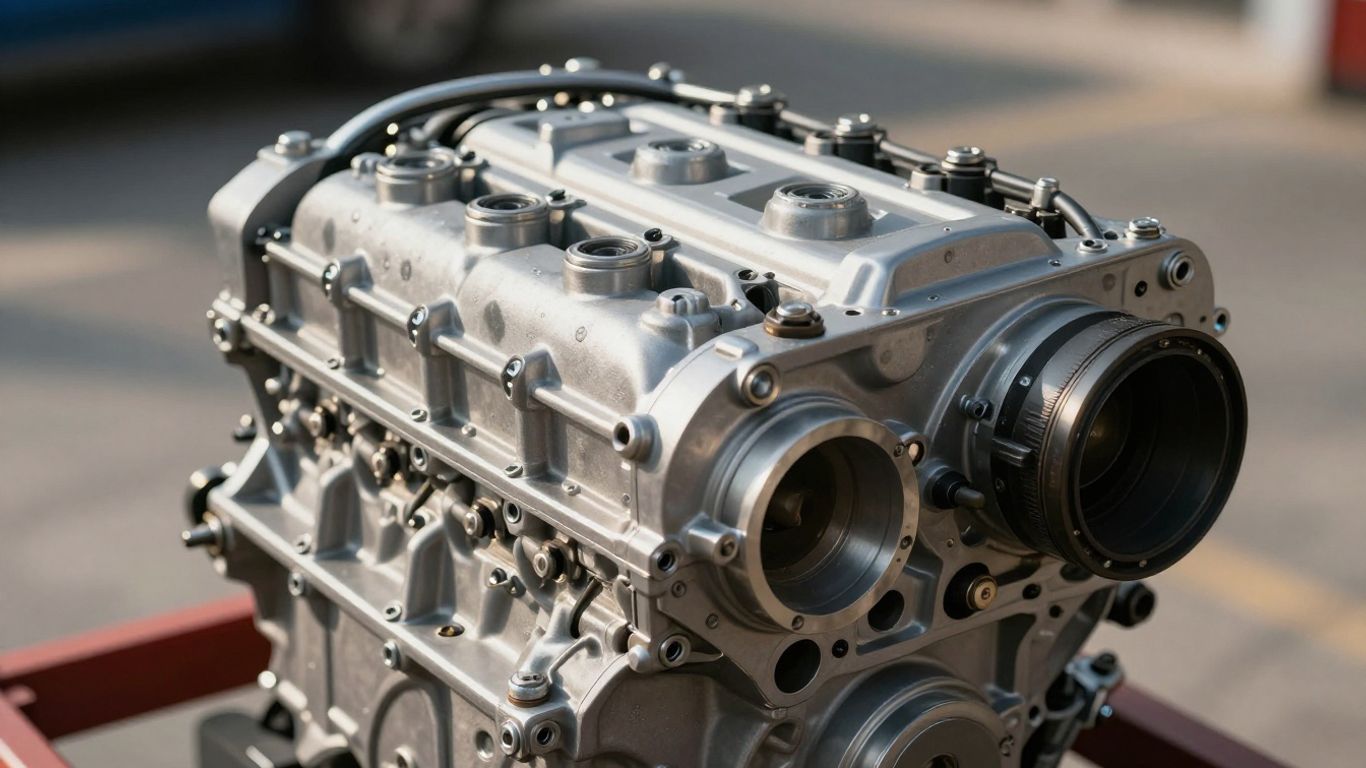
So, you’ve found a used Honda engine that looks promising for your Melbourne ride. That’s great, but before you hand over any cash, a proper check-up is super important. It’s not just about how it looks on the outside; you need to get a feel for its actual health. A thorough inspection can save you a heap of trouble and money down the line.
Essential Pre-Purchase Inspection Steps
When you’re looking at an engine, start with the basics. Give it a good once-over. Look for any obvious signs of damage, like cracks in the block or casing. Check all the hoses and belts – are they brittle, cracked, or worn out? Leaks are a big one. See if there’s any sign of oil, coolant, or other fluid leaks around the engine or where it was previously installed. Also, take a peek at the fluid levels and their condition. The oil should be a decent colour, not black and sludgy, and the coolant shouldn’t look rusty or oily. If you can, ask to see the engine running. Listen for any strange noises – knocking, ticking, or grinding sounds are definitely not good signs. Pay attention to how smoothly it idles and if there’s excessive smoke coming from the exhaust.
Red Flags and Warning Signs
Some things just scream ‘trouble’. If the engine has been poorly repaired or looks like it’s been patched up with dodgy parts, be wary. Mismatched paint or signs of hasty welding can indicate past accidents or major issues. A really dirty engine might be hiding leaks or problems, so don’t let a seller just say ‘it’s just dirty’. Also, if the seller seems reluctant to let you inspect it thoroughly or won’t let you start it up, that’s a big red flag. A genuine seller usually wants you to be happy with your purchase. Be cautious of engines that have been sitting for a very long time without being run; seals can dry out and cause issues.
When you’re looking at a used engine, think of it like a health check-up for a person. You want to see clear eyes, steady breathing, and no obvious injuries. If something looks off, it’s better to ask more questions or even walk away. It’s not worth the risk of buying something that’s already got serious problems.
Verifying Service History and Mileage
If possible, try to get some history on the engine. Ask for service records or any documentation that shows when it was last maintained or what work has been done. This can give you a clue about how well it’s been looked after. The mileage reading, if available, should also make sense with the engine’s apparent condition and service history. If an engine with supposedly low mileage looks extremely worn or has a patchy service record, something might not add up. It’s about piecing together the story of the engine to get a clearer picture of its past and its likely future performance.
Navigating Melbourne’s Online Marketplaces for Used Honda Engines
Popular Websites and Listing Platforms
When you’re hunting for a used Honda engine in Melbourne, the internet is your best friend. Websites like Gumtree and Facebook Marketplace are usually the first places people check. You’ll find a lot of private sellers there, which can sometimes mean better prices, but also a bit more risk. For more specialized parts, sometimes dedicated auto parts forums or even eBay can turn up a gem. Just remember, the sheer volume of listings means you’ll need to be patient and do your homework.
Avoiding Scams and Unsafe Sellers
This is a big one. Scammers are out there, and they’re not just after your money; they might try to sell you a dud engine. Always be wary of sellers who are reluctant to provide details or photos of the engine itself. Look for sellers who have a history on the platform, good reviews if available, and who are willing to meet in a safe, public place if you’re picking up. If a deal seems too good to be true, it probably is. Don’t send money upfront unless you absolutely have to, and even then, be very cautious.
Tips for Effective Online Communication
When you message a seller, be clear and concise. Ask specific questions about the engine’s condition, its history, and why it’s being sold. For example, instead of just asking ‘Is it good?’, ask ‘What mileage is on this engine?’ or ‘Was this engine removed from a running vehicle?’. If you’re looking at a specific model like a CR-V or Civic, mention that. A polite and direct approach usually gets the best response. If they can’t answer your questions clearly, it might be a sign to move on to the next listing.
Buying online can save you a lot of time and money, but it requires a bit of detective work. Don’t rush into anything. Take your time, ask questions, and trust your gut feeling. If something feels off, it probably is.
Understanding Common Issues with Used Honda Engines Melbourne Models
Known Honda Engine Reliability Factors
Hondas generally have a good reputation for reliability, and that’s a big reason why people look for them used. Most Honda engines are built to last. However, like any car that’s been around for a while, especially those clocking up significant kilometres, things can start to show their age. It’s not usually one big thing, but a collection of smaller issues that can pop up. Things like minor oil leaks, worn seals, or even just general wear and tear on components can affect performance over time. Paying attention to regular maintenance is key to keeping these engines running smoothly for longer.
Timing Belt vs. Chain in Popular Models
This is a pretty important detail when you’re looking at a used Honda, especially if you’re considering models like the CR-V or Civic. Older CR-Vs, for instance, often came with a timing belt. These belts need to be replaced at specific intervals, usually around 150,000km, and if they snap, it can cause serious engine damage. The good news is that Honda’s timing belts are generally quite robust. Newer models, and some other Honda lines like the Civic and Accord, have transitioned to timing chains. Chains are designed to last the life of the engine and don’t require periodic replacement like belts do. This can be a significant cost saving down the line.
Here’s a quick look at what some popular models use:
| Model | Typical Engine Series | Timing Component | Notes |
|---|---|---|---|
| CR-V (early) | B Series | Timing Belt | Requires replacement around 150,000km |
| CR-V (later) | K Series, R20A | Timing Chain | Generally lasts engine life |
| Civic | Various | Timing Chain | Common in most modern Civic engines |
| Accord | Various | Timing Chain | Common in most modern Accord engines |
Typical Faults in CR-V, Civic, and Accord Engines
While these engines are solid, you might run into a few common issues depending on the model and year. For CR-Vs, especially older ones, keep an eye out for potential issues with the transmission, though engine-wise, they’re usually pretty good. Some owners have reported minor oil leaks from the valve cover gasket. Civics, particularly those with higher mileage, might show signs of wear in the suspension or brakes, but the engines themselves are often trouble-free if maintained. Accords can sometimes have issues with their automatic transmissions, and on some older models, you might find the air conditioning system needs attention. It’s always worth checking for any strange noises or warning lights, and if possible, getting a mechanic to give it a once-over before you buy.
When you’re looking at a used engine, it’s easy to get caught up in the price. But remember, a cheap engine that needs a lot of work can end up costing you way more in the long run. It’s better to spend a bit more upfront for a well-maintained unit than to save a few bucks and deal with constant repairs.
Warranty and After-Sales Support for Used Honda Engines
Types of Warranties Available
When you’re looking at used Honda engines in Melbourne, the warranty situation can really vary. Some dealers might offer a basic, short-term warranty, maybe 30 or 90 days, just to cover you for immediate issues. These are often called ‘limited’ warranties, meaning they only cover specific parts, not everything. Then you have more robust options, like extended warranties that you can purchase. These can cover you for a longer period, sometimes up to a year or even more, and might cover a wider range of components. It’s really important to read the fine print on any warranty you’re considering. What exactly is covered? What isn’t? Are there mileage limits? These details matter a lot.
What to Expect from Dealer Support
Good dealers in Melbourne usually stand behind their used engines. This means they should be able to provide you with documentation about the engine’s history, like mileage and any previous work done. They should also be upfront about their return or exchange policies. If something goes wrong shortly after you buy it, a reputable dealer will work with you to sort it out, whether that’s a repair, a replacement, or a refund. Don’t be afraid to ask them directly about their process for handling warranty claims. It shows you’re serious and helps you gauge their commitment to customer satisfaction.
Buying from a dealer often means you get more protection than buying privately. While it might cost a little more upfront, the peace of mind from knowing there’s a support system in place can be well worth it, especially with a complex part like an engine. It can save you a lot of headaches down the road.
Return and Replacement Policies
Every seller will have their own rules about returns and replacements, and it’s your job to find out what they are before you hand over any cash. Some might offer a full replacement if the engine fails within a certain timeframe, say, the first 30 days. Others might have a restocking fee or only offer store credit. For engines, especially, a clear policy on replacements is key. You want to know that if the engine you buy is faulty from the start, you won’t be left with a useless hunk of metal and no recourse. Always get the return and replacement policy in writing as part of your purchase agreement. This way, there are no misunderstandings later on.
Key Tips for a Smooth Transaction in Melbourne
Alright, so you’ve found the perfect used Honda engine for your ride right here in Melbourne. Awesome! But before you hand over your hard-earned cash, let’s talk about making sure the whole deal goes off without a hitch. It’s not just about the engine itself, but the paperwork and the final steps.
Legal Documents and Ownership Transfer
This is where things can get a bit dry, but it’s super important. You’ll want to make sure all the paperwork is legit. This includes a clear bill of sale that details exactly what you’re buying, the price, and any promises the seller made. Always get a written receipt. Also, check that the Vehicle Identification Number (VIN) on the engine matches any documentation you’re given. You don’t want any surprises down the line with ownership or registration.
Securing a Roadworthy Certificate
In Victoria, getting a Roadworthy Certificate (RWC) is a big deal for vehicle sales, and it often applies to major components like engines too, depending on the circumstances. It basically means a qualified mechanic has checked the engine and found it to be safe to operate. Make sure the RWC is current and genuine. If the seller isn’t providing one, or if it looks a bit dodgy, that’s a sign to ask more questions or maybe even walk away. It’s your protection against buying something that’s not road-legal.
Negotiating the Best Price
So, you’ve done your homework, inspected the engine, and you’re ready to talk numbers. Use what you’ve learned to your advantage. If your mechanic pointed out any minor issues during the inspection, or if the engine needs some immediate attention like new fluids or a filter, that’s a good point for negotiation. Don’t be afraid to make a reasonable offer based on the engine’s condition and current market prices. Remember, a little bit of polite back-and-forth can often save you a decent chunk of money. It’s a balance between getting a fair deal and respecting the seller’s asking price.
Wrapping It Up: Your Honda Engine Hunt in Melbourne
So, you’re on the hunt for a used Honda engine in Melbourne. It can feel like a big task, but hopefully, this guide has made it a bit easier. Remember to do your homework, check out those different suppliers we talked about, and always, always get a mechanic to look it over before you hand over your cash. A little bit of effort now can save you a lot of headaches and money down the road. Happy engine hunting!